Last updated: August 2026, pricing pulled live from cryptobilis.com.ph. Prices, stock, and models change often (Ledger and Trezor both released new devices this year), so this post’s price table should be re-checked every 3 to 6 months, or before every mega-sale campaign. This is general product education only, not financial or investment advice.
Quick Answer
Which cold wallet is right for you? If you want the cheapest real protection, the Satochip (₱1,388) or Tangem 2-card set (₱3,588) will cover you. If you want the best all-around balance of price and brand trust, get the Ledger Nano S Plus (from ₱4,599) or Trezor Safe 3 (from ₱6,788). If you’re sitting on serious bags and want maximum security with a bigger screen, look at the Trezor Safe 5, Trezor Safe 7, or Ledger Flex/Stax. Every wallet listed here is sold by CryptoBilis as a verified authorized reseller, with local warranty and next-business-day shipping from Manila.
“Which wallet do I even need?” is the wrong first question
Here’s the thing nobody tells beginners: the question isn’t “which cold wallet is best.” It’s “what am I actually protecting, and from what.” An OFW dad accumulating USDT for his kids’ tuition has different needs than a trader who just moved his bags off Binance after the block. Someone with ₱15,000 in crypto doesn’t need the same wallet as someone sitting on seven figures.
So instead of ranking wallets like a top 10 listicle, we’re going to sort them the way our own staff sorts customers walking into the Quezon City store: by budget, by how much hand-holding you want, and by how much you’re actually protecting. Ready? Let’s go through it.
What actually matters when picking a cold wallet
Before the models, three quick things worth understanding:
- Air-gapped vs. Bluetooth/USB. Air-gapped wallets (Ellipal, Tangem, Ballet) never connect directly to the internet, they use QR codes or NFC taps. Bluetooth/USB wallets (Ledger, most Trezor models) connect to an app on your phone or laptop, which is more convenient but adds a (very small, well-studied) attack surface.
- Card-form vs. device-form. Tangem and Ballet are literally the size of a credit card, easy to carry, no batteries, no screen. Ledger and Trezor are small devices with screens so you can verify transactions before signing them.
- Ecosystem and coin support. If you’re mostly BTC and ETH, almost anything here works. If you’re deep into altcoins, NFTs, or DeFi, check the coin count and app compatibility before you buy.
None of these make one brand “better,” they just fit different people. That’s the whole point of this guide.
Under ₱4,000: proof that self-custody isn’t just for whales
This price bracket exists because CryptoBilis genuinely believes hardware wallets shouldn’t be a luxury item. If your entire crypto holding is smaller than what you’d spend on a nice dinner in BGC, these still make sense:
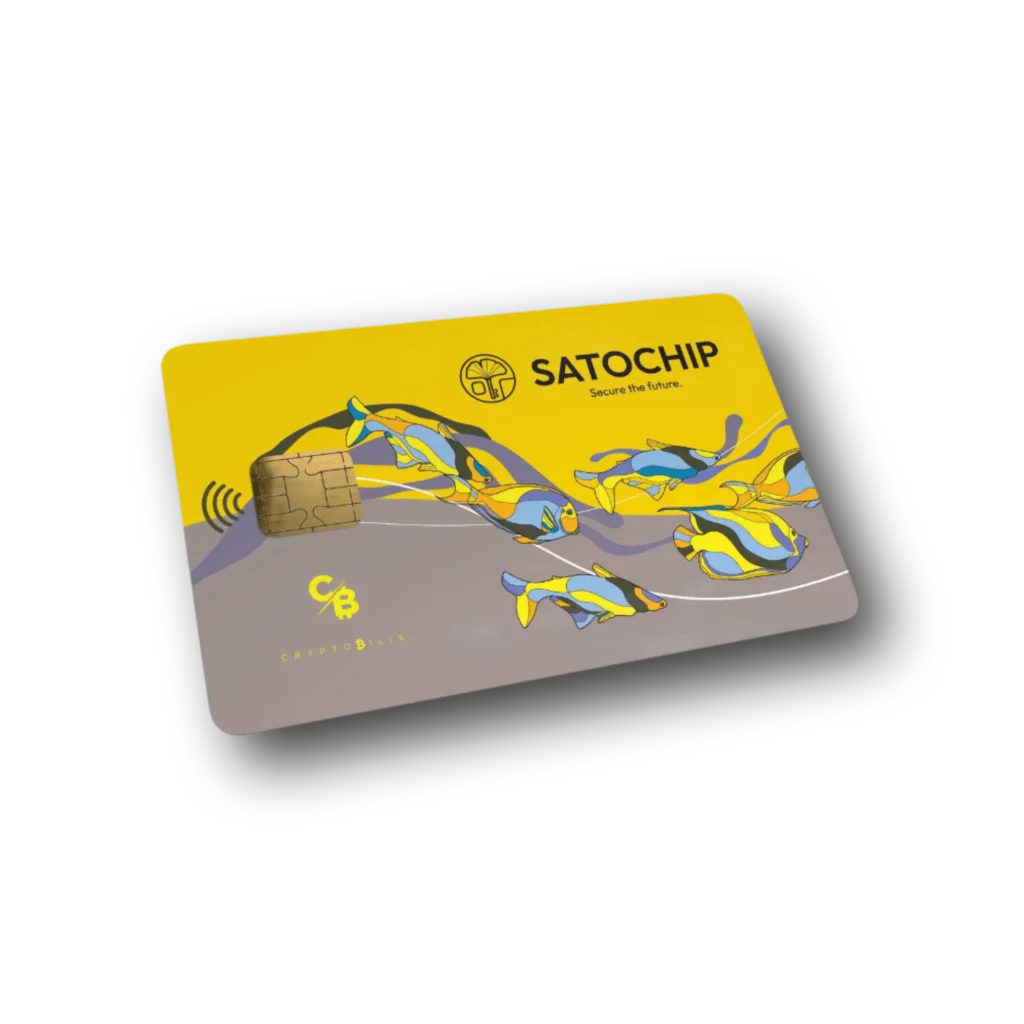
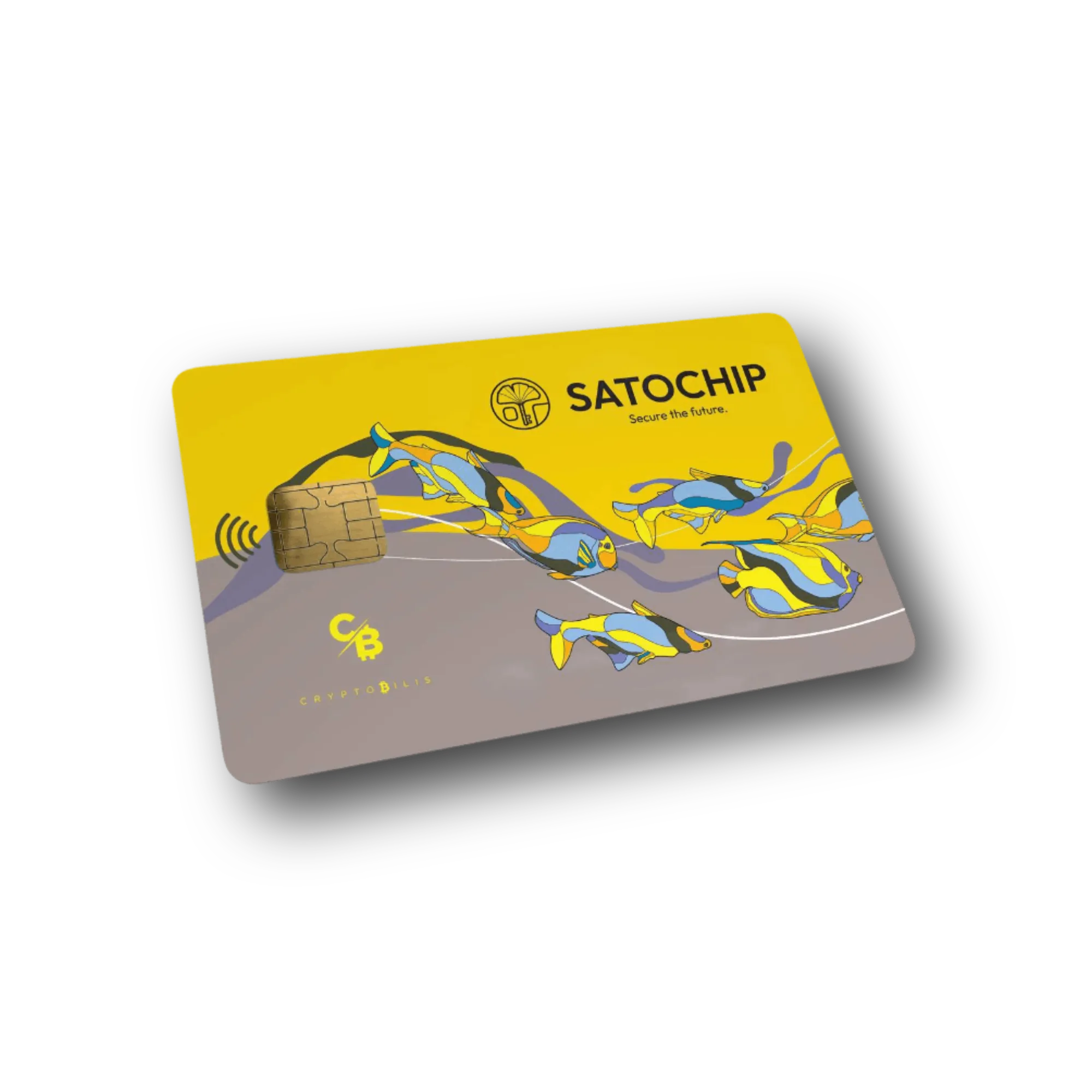
- Satochip: ₱1,388, an NFC chip card built for the Electrum, Metamask, and MyEtherWallet ecosystem, our most affordable option by a wide margin.
- Ballet REAL Metal: ₱2,844, no battery, no screen, no electronics at all, just a self-custodial metal card. Genuinely can’t be hacked because there’s nothing to hack.
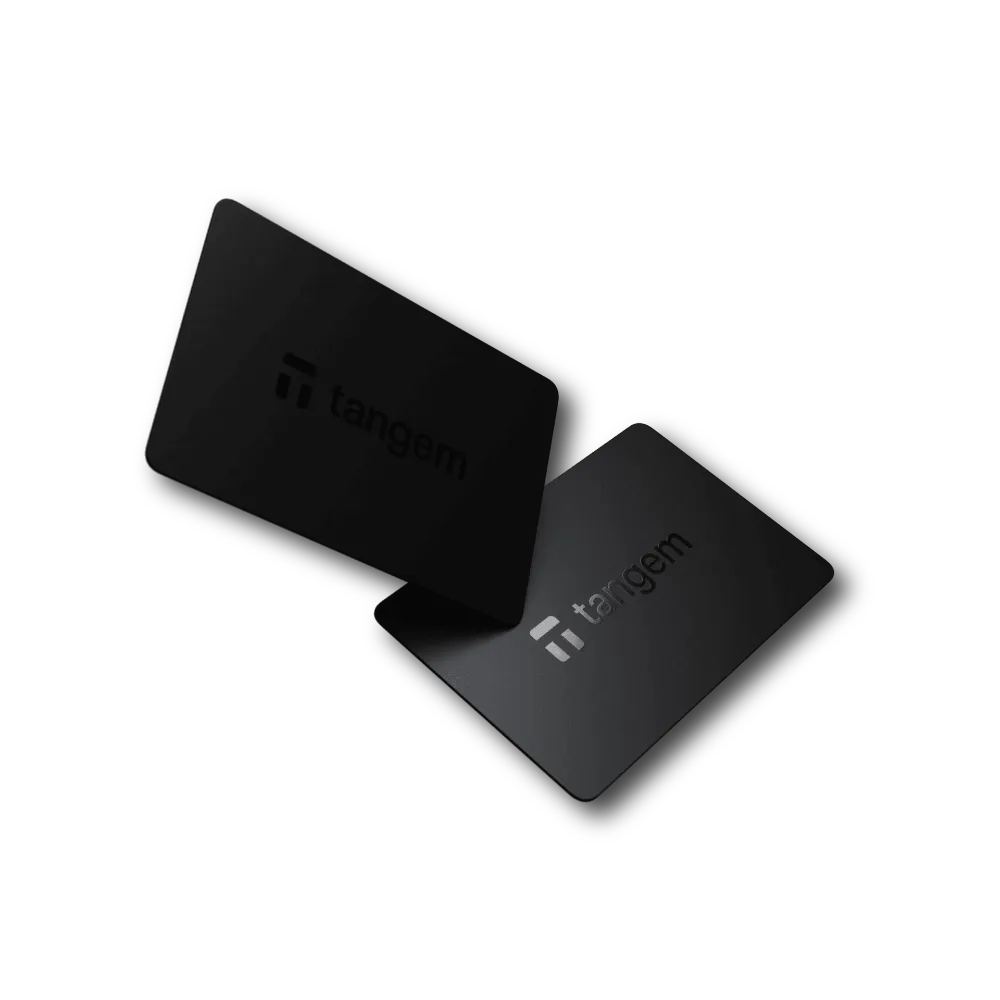
- Tangem 2-card set: ₱3,588, seedless setup using a tamper-resistant chip, tap your phone to sign a transaction. Popular with beginners because there’s no 24-word phrase to write down. Tangem’s chips have a zero-hack record across more than two million cards issued.
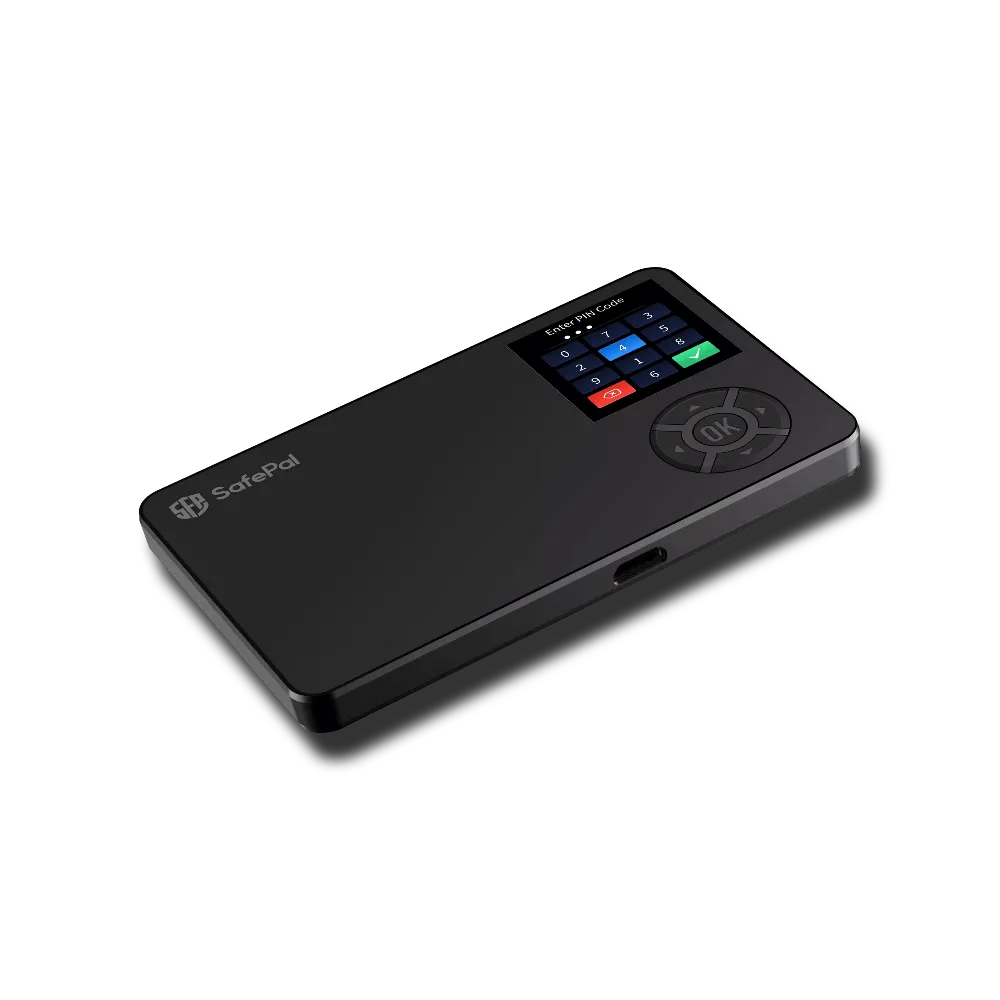
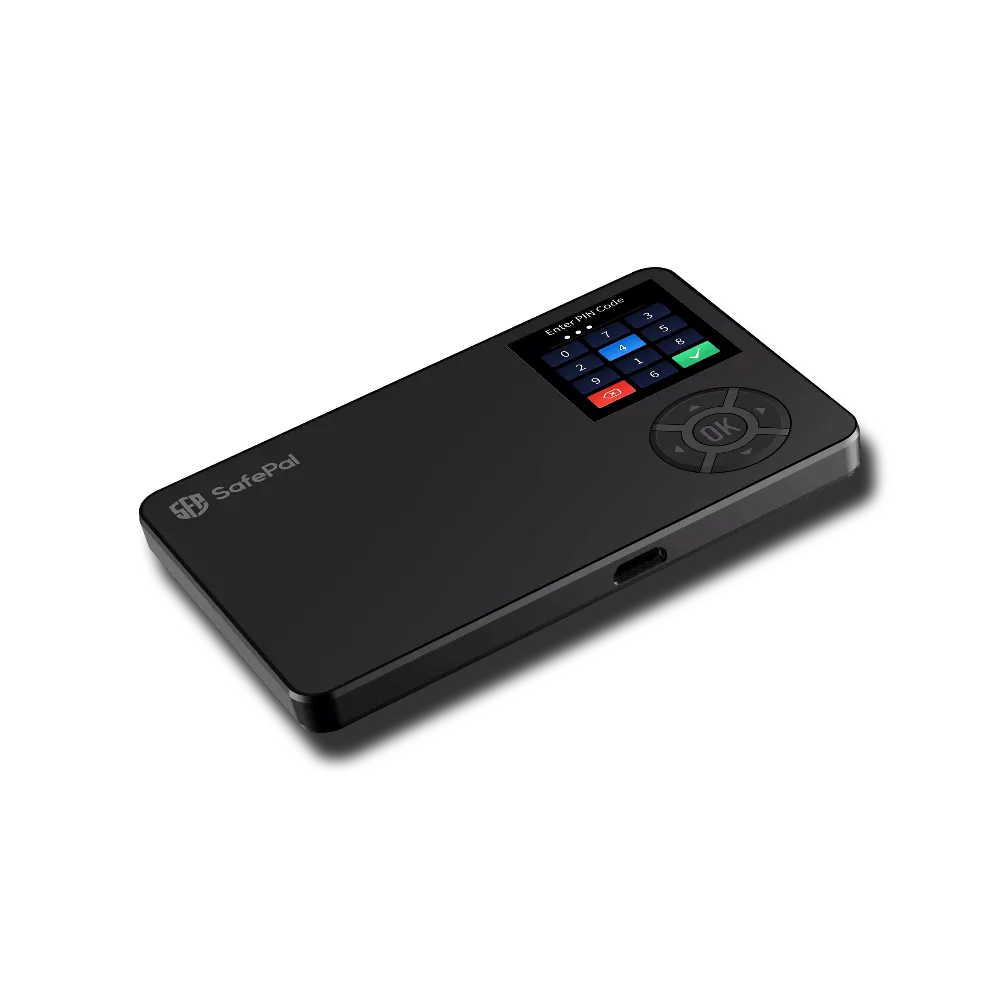
- SafePal S1: from ₱3,579, air-gapped with QR code scanning, one of our best-selling entry devices.
Best for: Crypto Beginners easing into self-custody, or anyone whose main goal is simply getting funds off an exchange for the first time.
₱4,000–₱8,000: the sweet spot most Filipino buyers land in
This is our best-selling range, and for good reason. It’s where the two biggest global names, Ledger and Trezor, become fully accessible without stretching the budget.
- Ledger Nano S Plus: from ₱4,599, USB-C, supports up to 100 apps installed at once across 5,500+ compatible assets, our most recommended entry point for people who want the Ledger brand and app ecosystem.
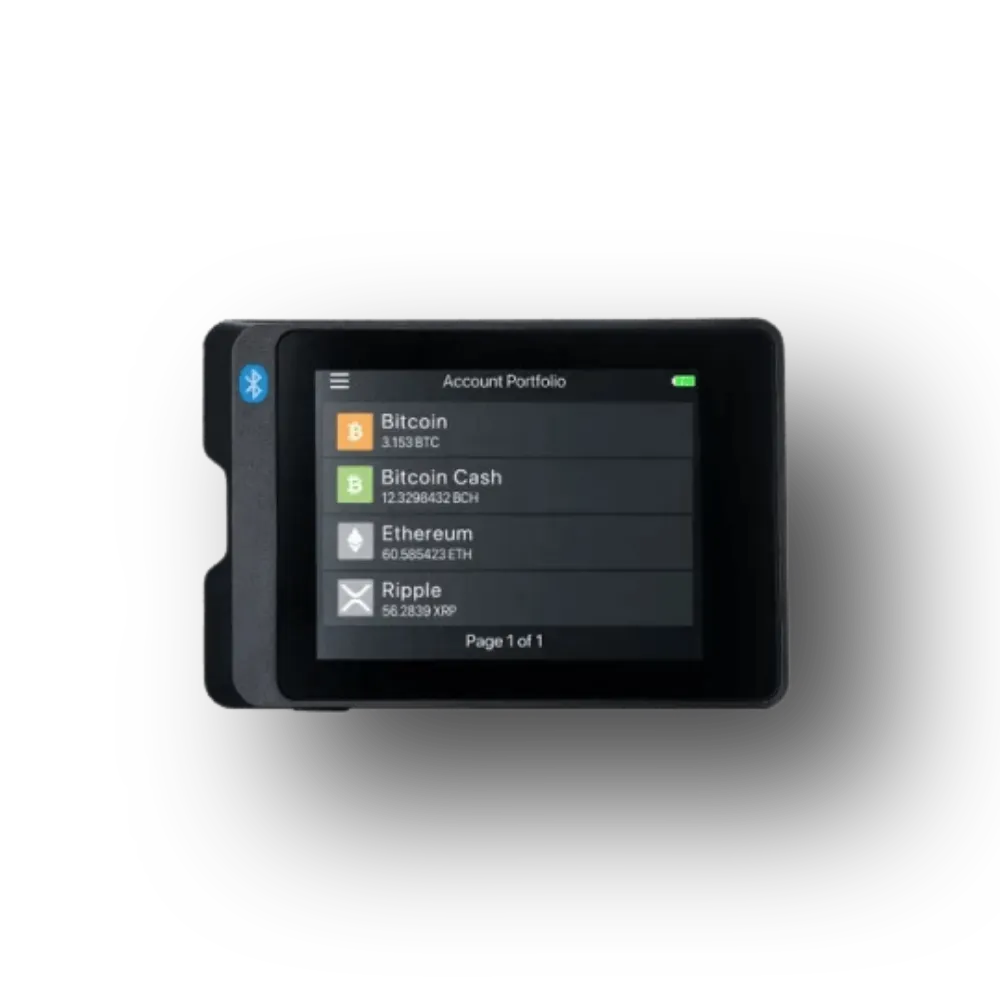
- SafePal X1: from ₱4,288, Bluetooth 5.0 with open-source firmware.
- Tangem 3-card set: ₱4,499, the extra card is a smart backup in case you misplace one, without needing a written seed phrase.
- Trezor One: from ₱4,788, Trezor’s original model, PIN protection up to 50 digits, optional passphrase for an extra security layer.
- SafePal S1 Pro: from ₱5,288, aluminum alloy body with an added self-destruct mechanism.
- Trezor Safe 3: from ₱6,788, Secure Element chip, Trezor’s current entry-level next-gen model.
Best for: Security-Conscious Investors and Web3 Builders who want a name-brand wallet with full app support, without overpaying for features they won’t use.
₱8,000 and up: for real portfolios and long-term holders
If your holdings have grown past the point where “good enough” feels risky, this tier adds Bluetooth convenience, bigger screens, and stronger secure elements.
- Ledger Nano X: from ₱8,699, Bluetooth-enabled so you can manage your wallet straight from Ledger Live on your phone, still USB-C compatible. Worth noting: this now sits closer to Ledger’s mid-premium range rather than its cheapest device.
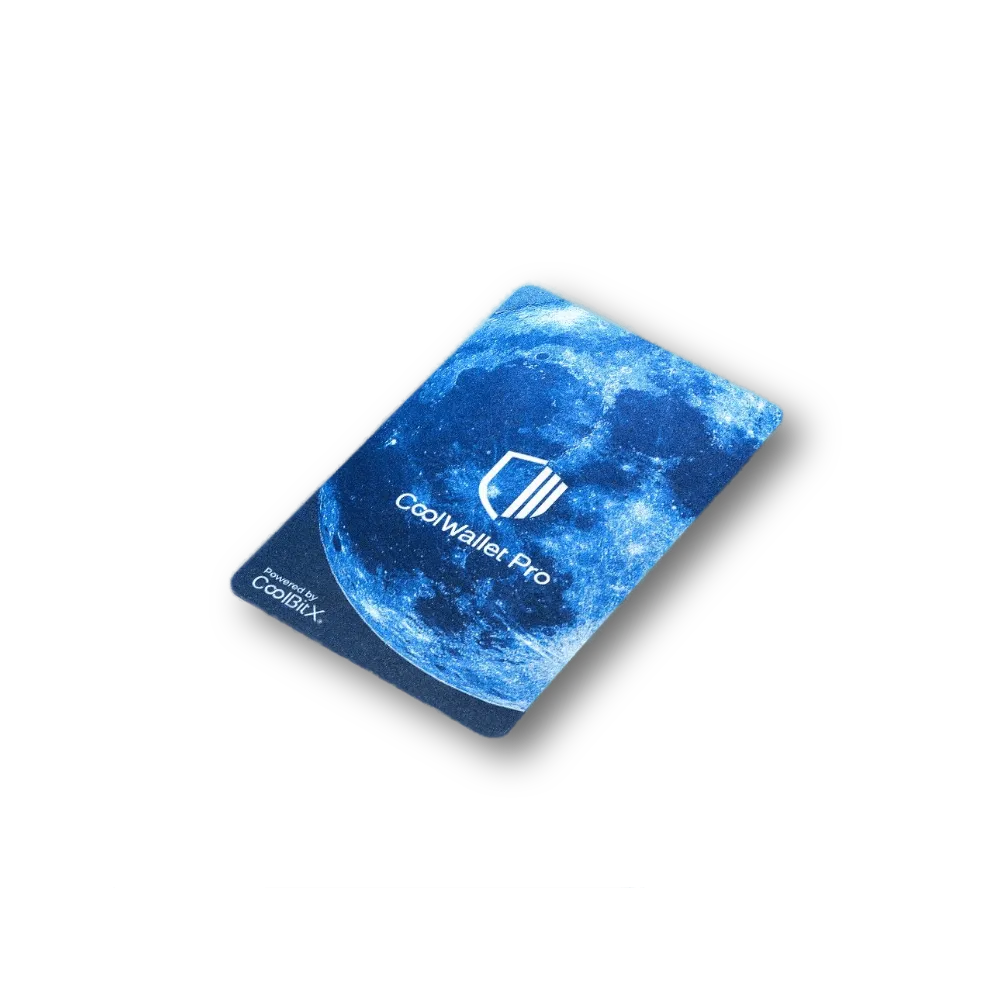
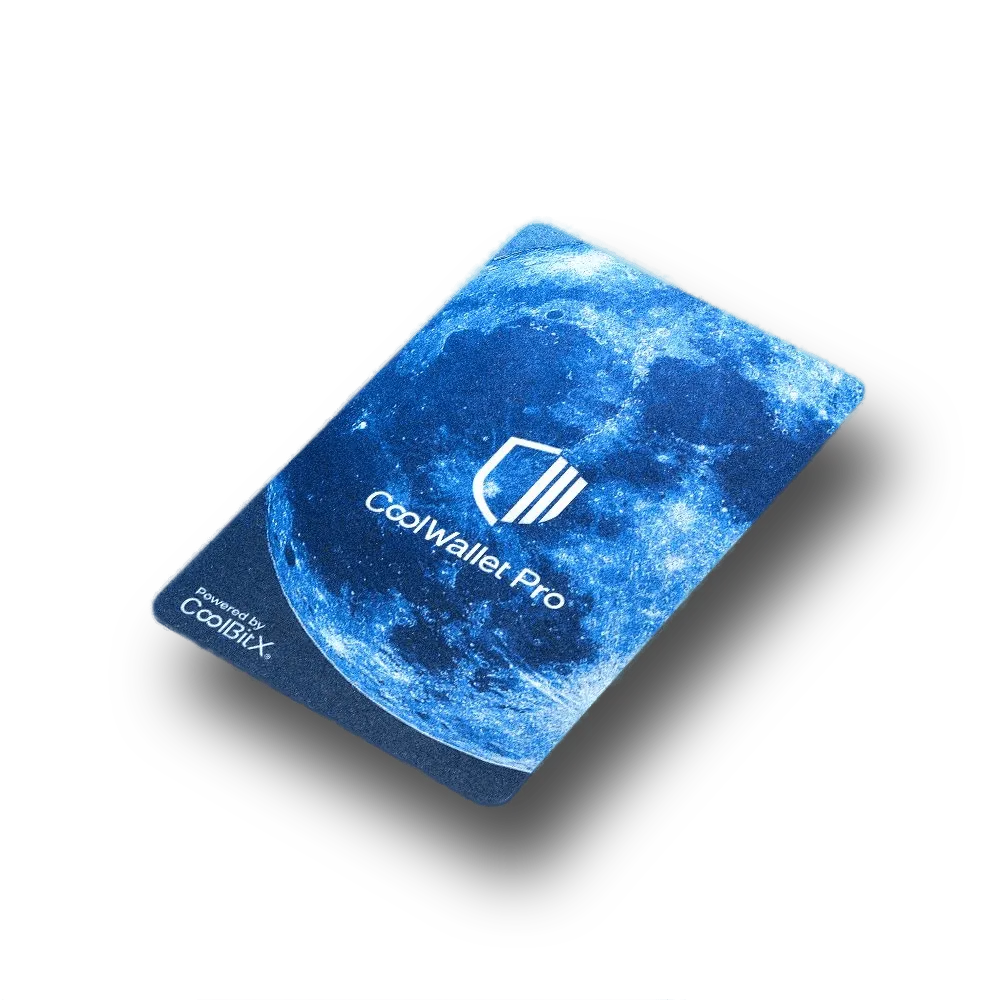
- CoolWallet Pro: from ₱9,588, credit card-sized with Bluetooth and a Web3 browser built in.
- Tangem Ring: ₱9,998, the same seedless card security in wearable ring form, sized 6 to 13 US.
- Trezor Safe 5: from ₱14,088, color touchscreen with a haptic engine so you can feel-check every signature.
- Trezor Model T: from ₱14,188, 1.54″ touchscreen, supports Shamir Backup for splitting your recovery phrase across multiple people or locations.
- Ledger Nano Gen 5: from ₱14,499, Ledger’s newest Nano-line device.
- Ledger Flex: from ₱18,688, E Ink touchscreen, larger display makes verifying long wallet addresses far less annoying.
- Trezor Safe 7: from ₱25,040, Trezor’s current flagship.
- Ledger Stax: from ₱28,188, curved E Ink display, credit card-sized, the most premium-feeling wallet we carry.
Best for: long-term HODLers, corporate or B2B treasury holders, and anyone whose portfolio size makes the price difference between tiers genuinely negligible.
Quick comparison table
| Wallet | Price (PHP) | Form Factor | Connection | Best For |
|---|---|---|---|---|
| Satochip | ₱1,388 | Card | NFC | Absolute beginners, small holdings |
| Ballet REAL Metal | ₱2,844 | Card | None (offline) | Long-term, set-and-forget storage |
| Tangem (2-card) | ₱3,588 | Card | NFC | Seedless setup, easy backup |
| SafePal S1 | From ₱3,579 | Device | QR (air-gapped) | Budget buyers wanting a screen-free entry device |
| SafePal X1 | From ₱4,288 | Device | Bluetooth | Budget Bluetooth option |
| Ledger Nano S Plus | From ₱4,599 | Device | USB-C | Best all-round entry point |
| Tangem (3-card) | ₱4,499 | Card | NFC | Extra backup card included |
| Trezor One | From ₱4,788 | Device | USB-C | Long PIN, classic open-source pick |
| SafePal S1 Pro | From ₱5,288 | Device | QR (air-gapped) | Reinforced casing, self-destruct feature |
| Trezor Safe 3 | From ₱6,788 | Device | USB-C | Open-source fans, current entry flagship |
| Ledger Nano X | From ₱8,699 | Device | Bluetooth | Mobile-first management |
| CoolWallet Pro | From ₱9,588 | Card | Bluetooth | Card-form factor with Web3 browser |
| Tangem Ring | ₱9,998 | Ring | NFC | Wearable seedless security |
| Trezor Safe 5 | From ₱14,088 | Device | USB-C | Touchscreen, haptic confirmation |
| Trezor Model T | From ₱14,188 | Device | USB-C | Shamir Backup, larger screen |
| Ledger Nano Gen 5 | From ₱14,499 | Device | USB-C/Bluetooth | Ledger’s newest Nano-line model |
| Ledger Flex | From ₱18,688 | Device | Bluetooth | Big-screen verification |
| Trezor Safe 7 | From ₱25,040 | Device | USB-C | Flagship security |
| Ledger Stax | From ₱28,188 | Device | Bluetooth | Premium, card-sized flagship |
Why buy from CryptoBilis instead of a random Shopee listing
We’re not going to pretend this section isn’t a sales pitch, but every point here is verifiable, so check us if you want:
- We’re a verified authorized reseller for Ledger and Trezor, confirmed directly on ledger.com/reseller and trezor.io/resellers. That matters because counterfeit hardware wallets are a real problem, and a fake device can quietly compromise your seed phrase from day one.
- Every unit ships sealed, with local warranty support and a documented replacement process.
- We’ve been doing this since 2021, we run a physical store in Quezon City, and we host the Philippines’ biggest Bitcoin Pizza Day celebration every year.
- Next business day shipping from Manila, and you can pay in BTC, ETH, SOL, USDT, or plain fiat.
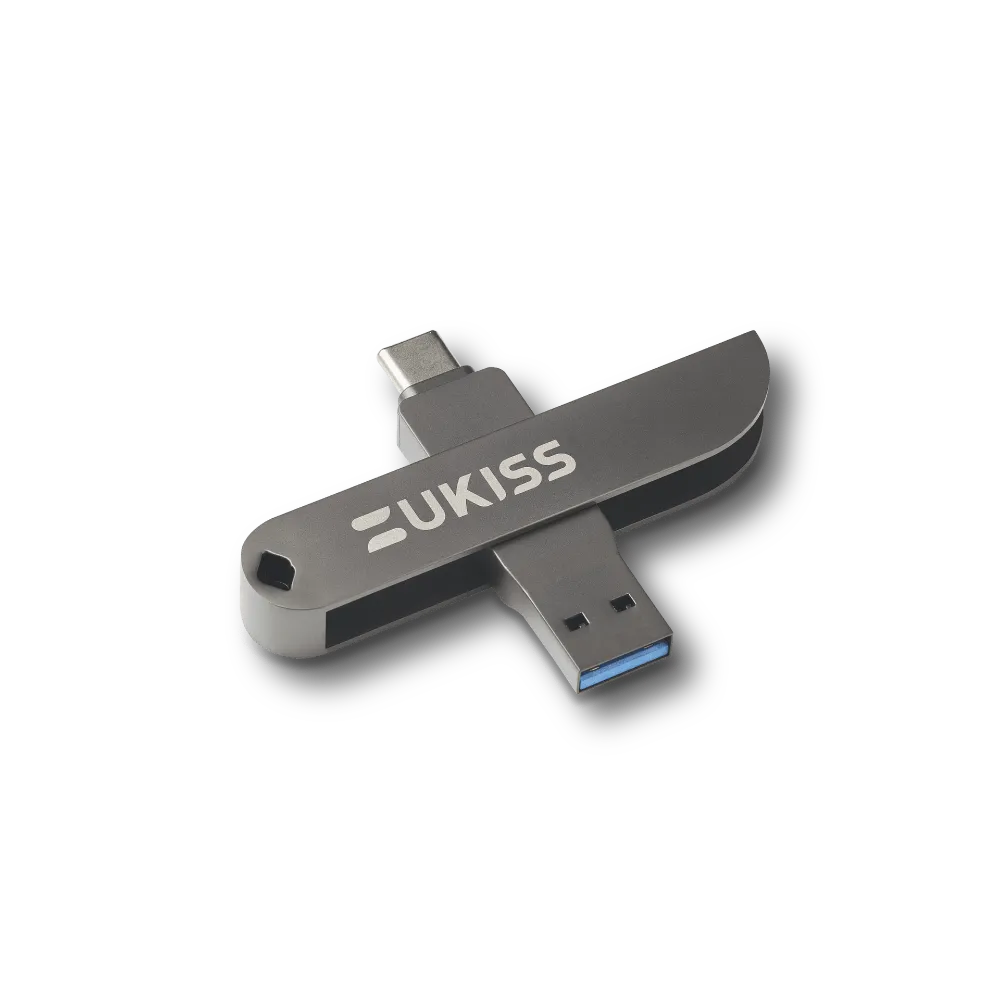
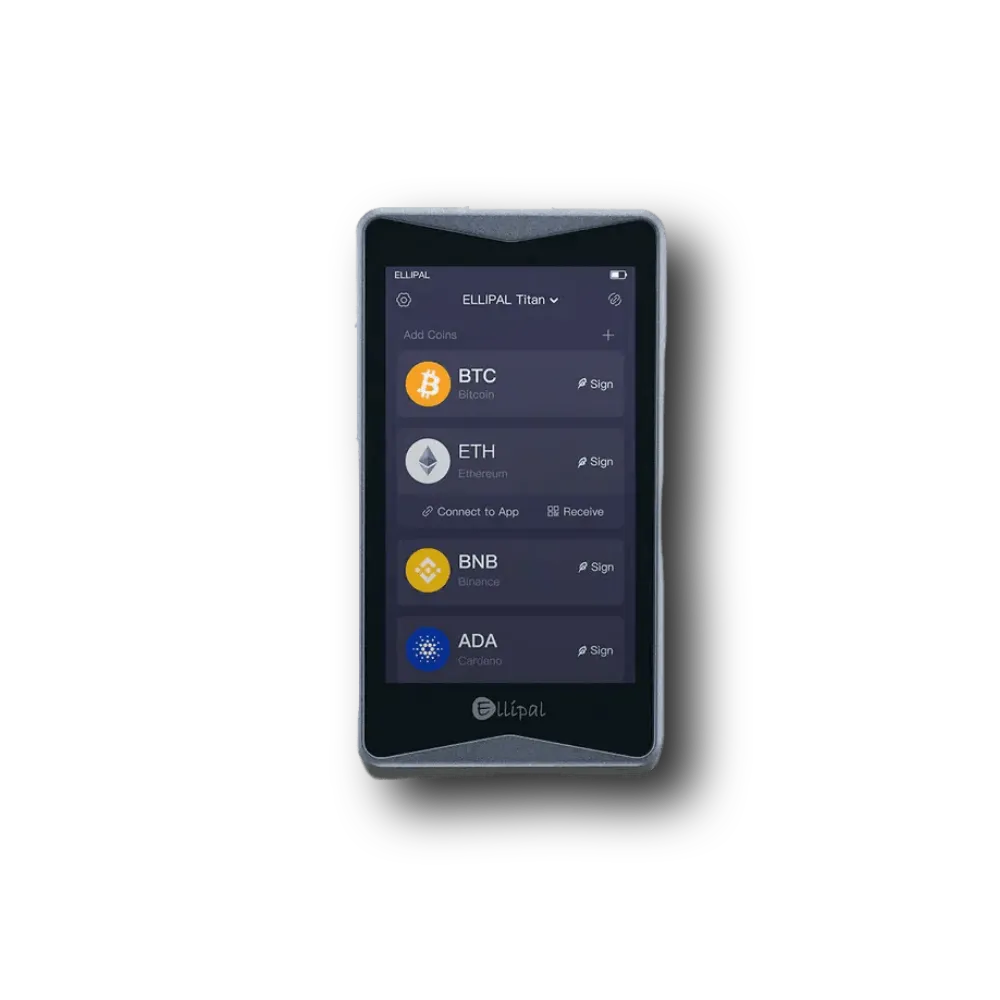
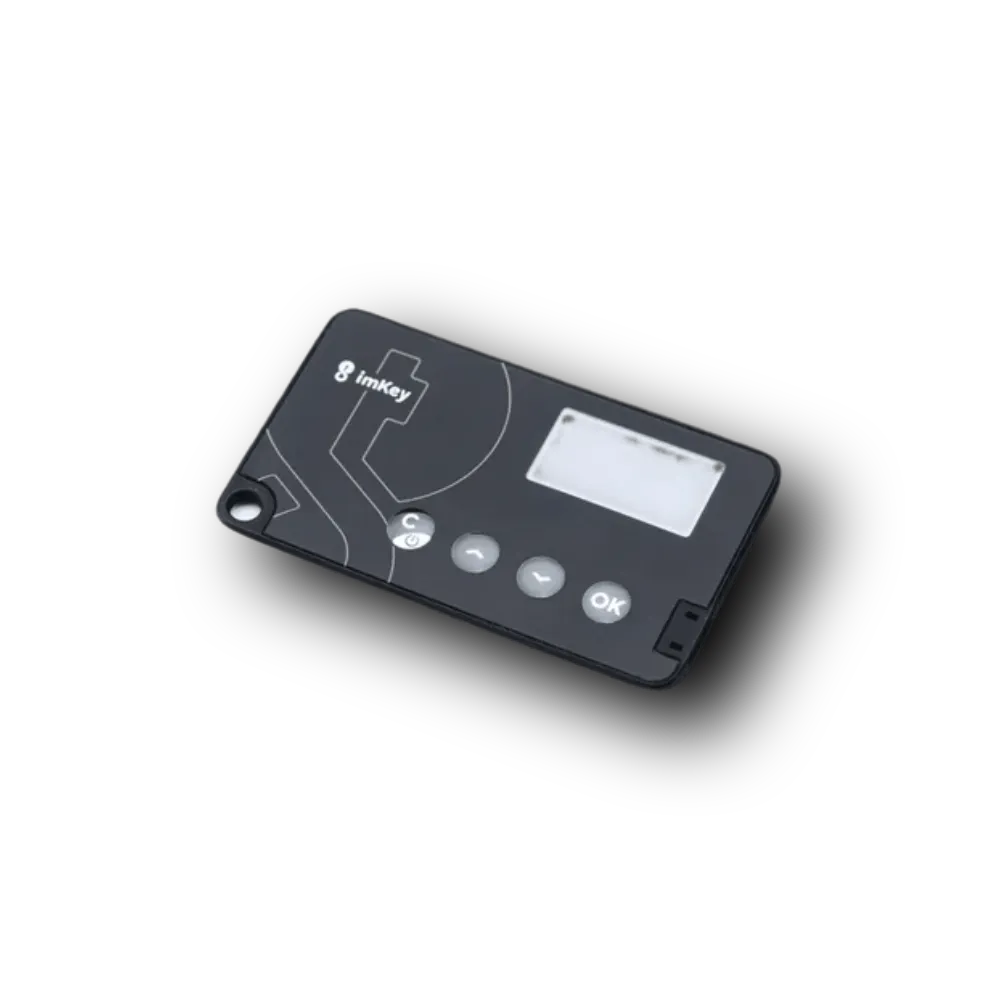
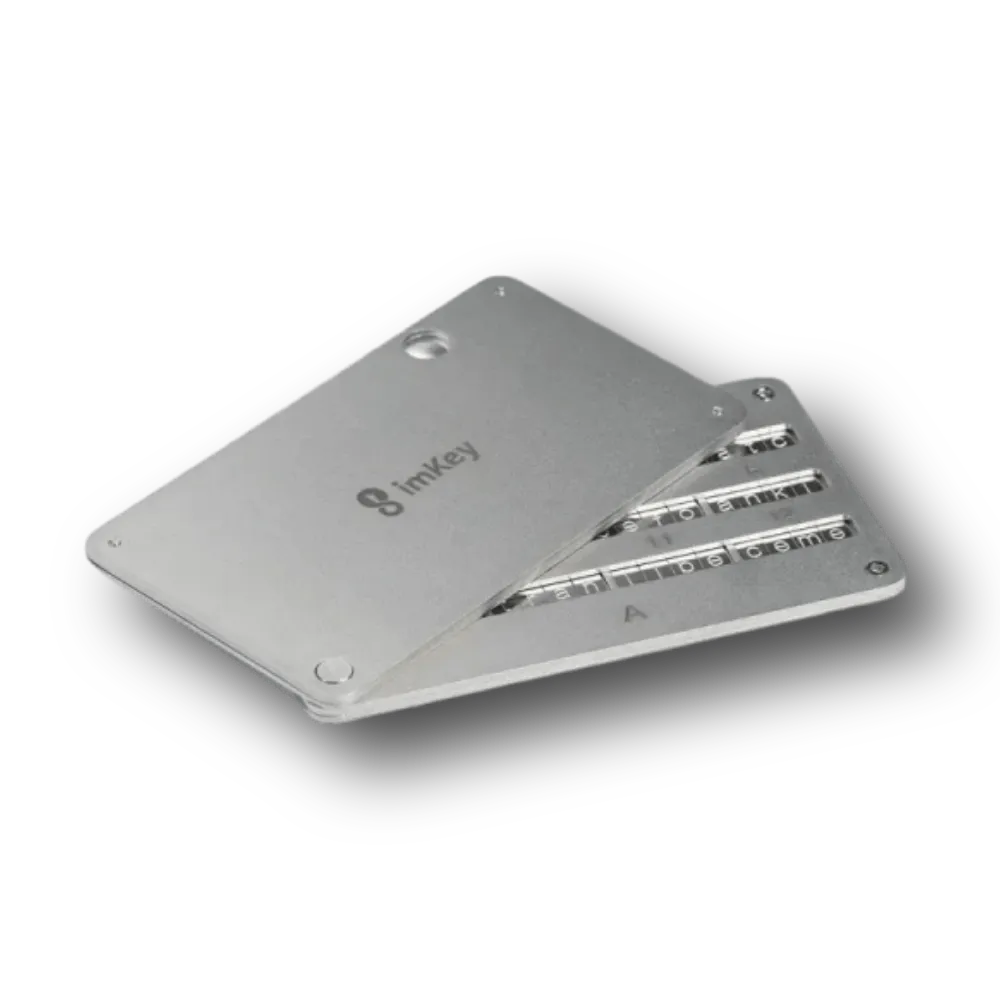
- We carry a wide catalog across Ledger, Trezor, SafePal, Tangem, CoolWallet, Ballet, Satochip, SecuX, Ellipal, D’Cent, imKey, OneKey, and UKISS, so if a specific model isn’t for you, chances are the next one on this list is.
To be clear, CryptoBilis is a hardware retailer, not an exchange or custodian. We never hold or have access to your crypto, and nothing here should be read as investment, tax, or regulatory advice.
FAQ
Is a ₱1,388 cold wallet actually as safe as a ₱25,000 one?
For the core job of keeping your keys offline, yes. Cheaper wallets skip extra features like large touchscreens or Bluetooth, not core security. The main tradeoff is convenience and coin support, not whether your funds are safe.
Do I need a hardware wallet if I already use GCash or Coins.ph?
Those are custodial platforms, meaning the company holds your keys, not you. A hardware wallet is for self-custody, when you want to be the only person who can move your funds. Many Filipino users keep some funds on custodial apps for daily use and move long-term savings to a hardware wallet.
Which CryptoBilis wallet is best for beginners?
The Ledger Nano S Plus (from ₱4,599) or Tangem 2-card set (₱3,588) are the two we recommend most to first-time buyers, because both have simple setup flows and strong community support if you get stuck.
Can I lose everything if I lose my hardware wallet?
No, as long as you’ve safely written down (and stored separately) your recovery phrase during setup. The device itself is a tool for signing transactions, your recovery phrase is what actually restores access on a new device.
Is it legal to own a hardware wallet in the Philippines?
Yes. Hardware wallets are classified as consumer electronics, not financial products, and are not covered by the BSP or SEC crypto regulations that apply to exchanges. [cite: source]
Do you accept crypto payments for wallets?
Yes, we accept BTC, ETH, SOL, and USDT, alongside standard fiat payment methods, across our website, Shopee, and Lazada stores.
The bottom line
There’s no single “best” cold wallet, only the one that matches what you’re protecting and how much friction you’re willing to deal with to protect it. Start with your budget, be honest about how much you actually hold, and pick from the tier that fits. Worth flagging: prices shift often enough (Ledger’s whole Nano X pricing moved up this year alone) that it’s worth a quick check on our product pages before you commit. If you’re still unsure after reading this, our team does free consultations, in-store or over chat, no pressure, no upsell script.
Check out our full cold wallet lineup at CryptoBilis.com.ph and find your match today. #IAmBilis