

Netflix premieres The Altruists on 19 November 2026, an eight-episode limited series about the collapse of the FTX cryptocurrency exchange. A lot of Filipinos who have never touched a wallet app are going to watch it, and it will shape how crypto gets discussed at family dinners for a long while afterwards.
If you hold any crypto, it is worth watching with one thing clear in your head. The FTX story was never really about crypto. It was about custody — about who was actually holding the coins while everybody believed they owned them. That is the part a drama series has the least reason to slow down for, and the only part that changes what you should do on Monday morning.
What the series is
Anthony Boyle plays FTX founder Sam Bankman-Fried. Julia Garner plays Caroline Ellison, who ran Alameda Research, the trading firm at the heart of the case. The regular cast includes Alex Lawther, Matt Rife, Madison Hu, Karan Soni, Eugene Young and Naomi Okada, with Jennifer Grey, Terry Chen, William Mapother, Paul Reiser and Robin Weigert recurring.
Graham Moore and Jacqueline Hoyt are co-showrunners. It comes from Netflix’s ongoing partnership with Higher Ground, the company founded by Barack and Michelle Obama. Netflix describes it as two brilliant young idealists trying to rebuild global finance and ending up stealing eight billion dollars from the people who trusted them.
That is a story about ambition and self-justification, and it will probably be a very good one. It is not a security guide, and watching it as one would be a mistake.
What actually happened
At its 2021 peak FTX was the third-largest crypto exchange by trading volume. It filed for bankruptcy in November 2022. The mechanism was not clever: customer deposits were pooled with Alameda Research and used for things customers never agreed to and could not see. When enough people asked for their money at the same time, it was not there.
Bankman-Fried was convicted and sentenced to 25 years, with an order to forfeit eleven billion dollars. Ellison cooperated with prosecutors, received 24 months, and was released after fourteen.
Look at what is missing from that account. No encryption was broken. No wallet was hacked. No blockchain failed. The technology worked exactly as designed. What failed was an arrangement where one company held everyone’s keys and was trusted not to misuse them.
The one sentence that explains it
People repeat not your keys, not your coins until it stops registering. FTX is what that sentence looks like when it comes true.
Crypto sitting on an exchange is not yours in the way a coin in your pocket is yours. What you hold is a claim: a line in that company’s database saying they owe you a balance. Most of the time the claim gets honoured, which is exactly why it feels like ownership. But a claim is only as good as the company behind it. FTX customers had claims, and the claims were worth nothing the morning withdrawals stopped.
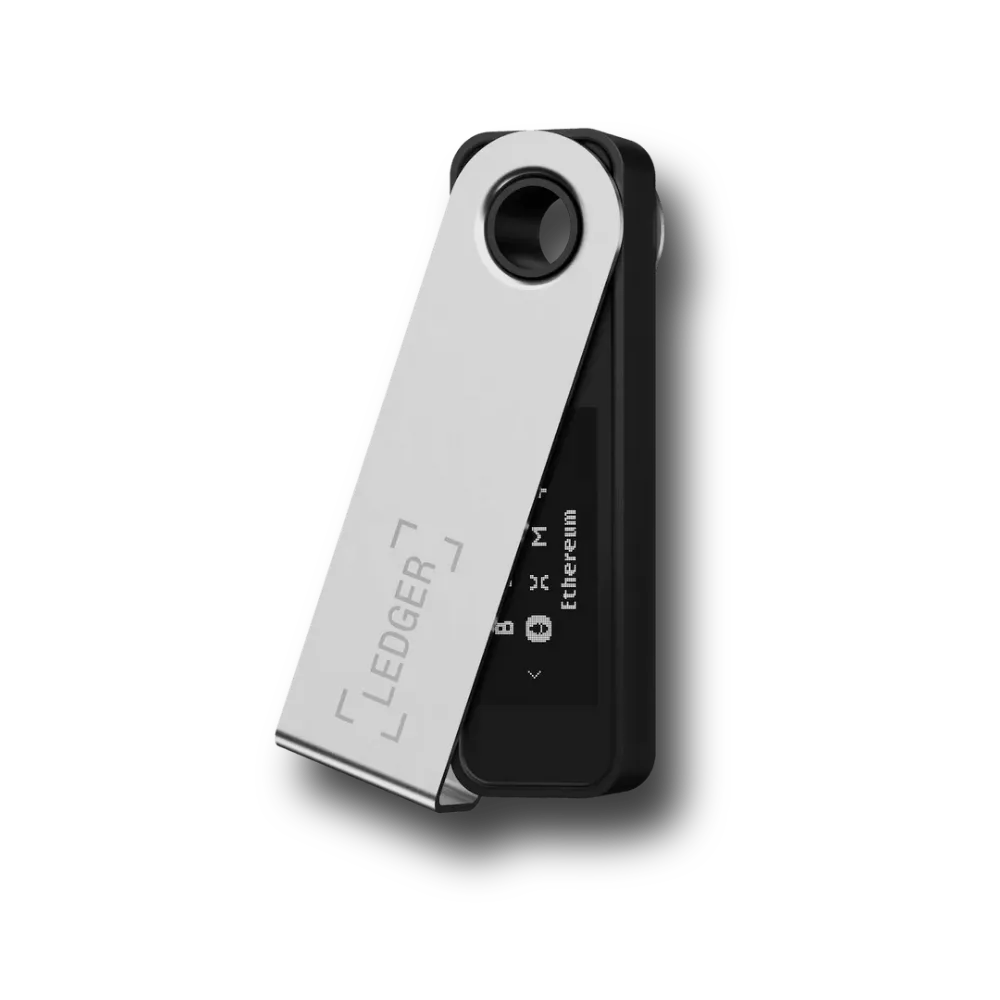
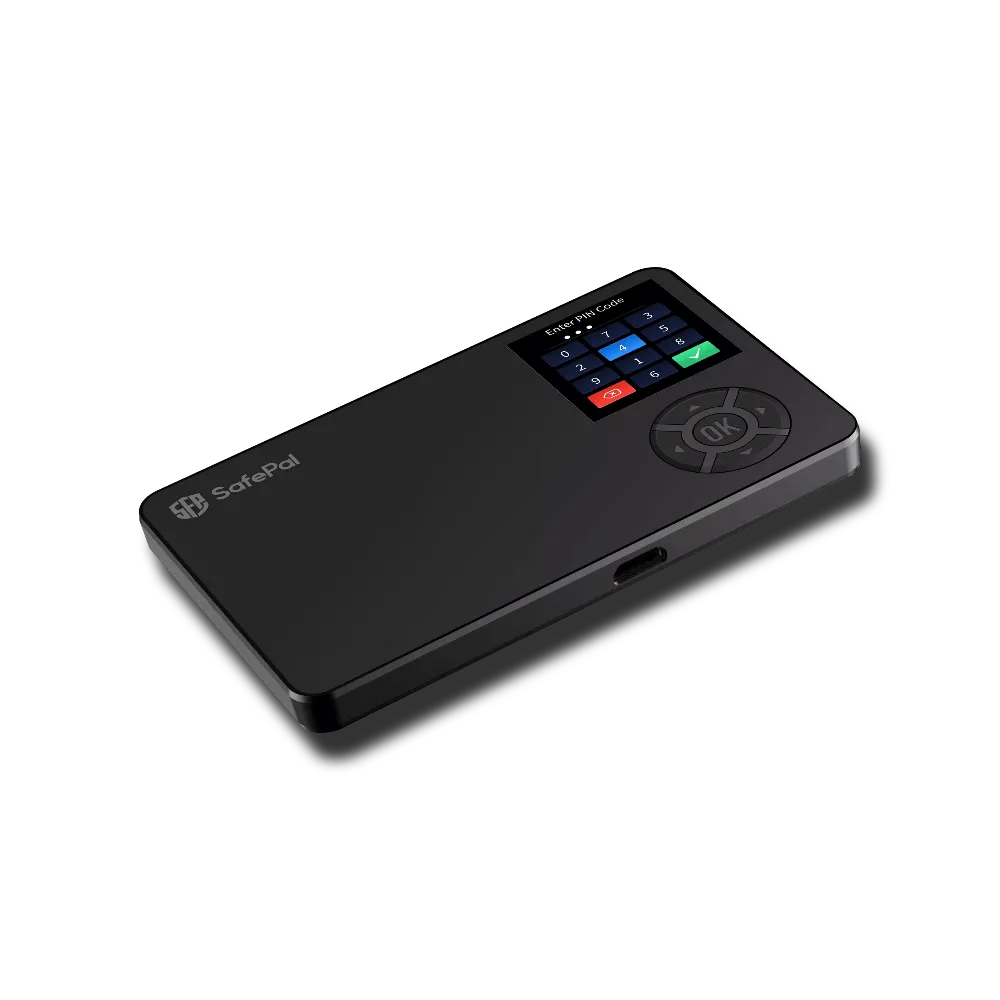
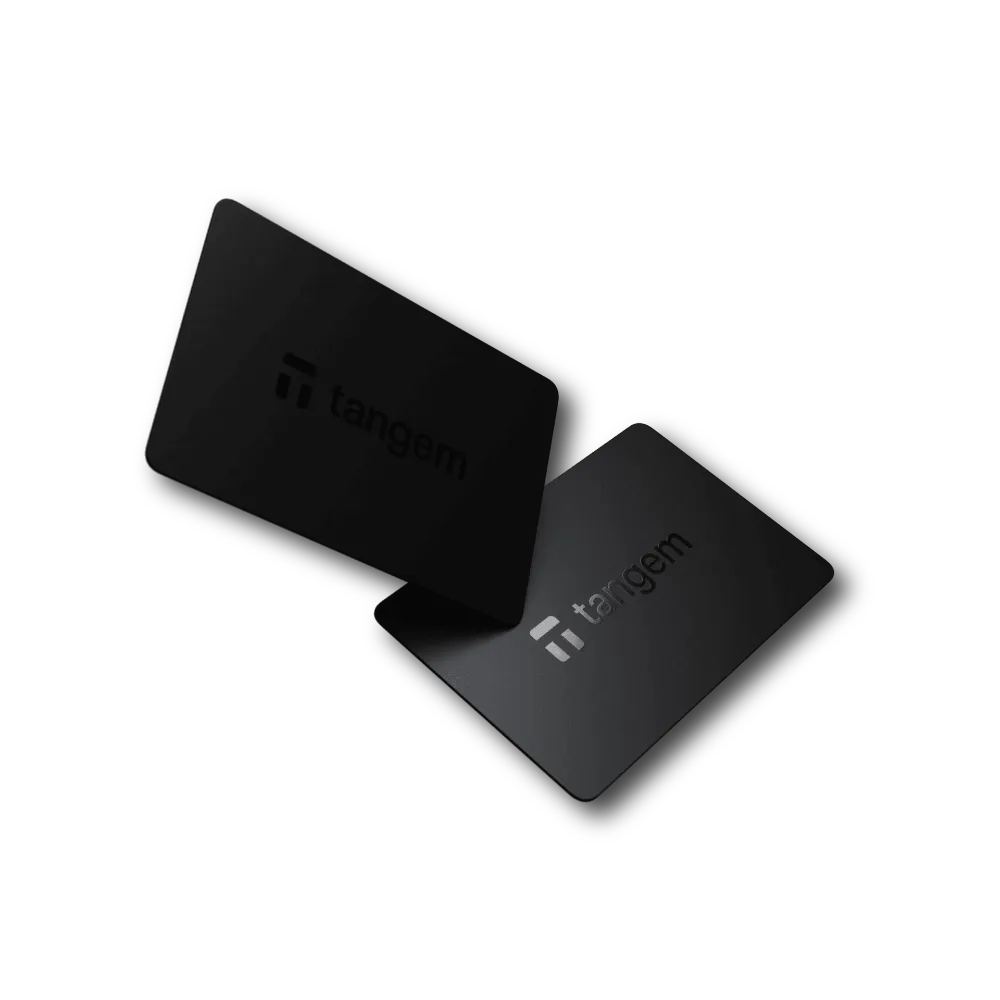
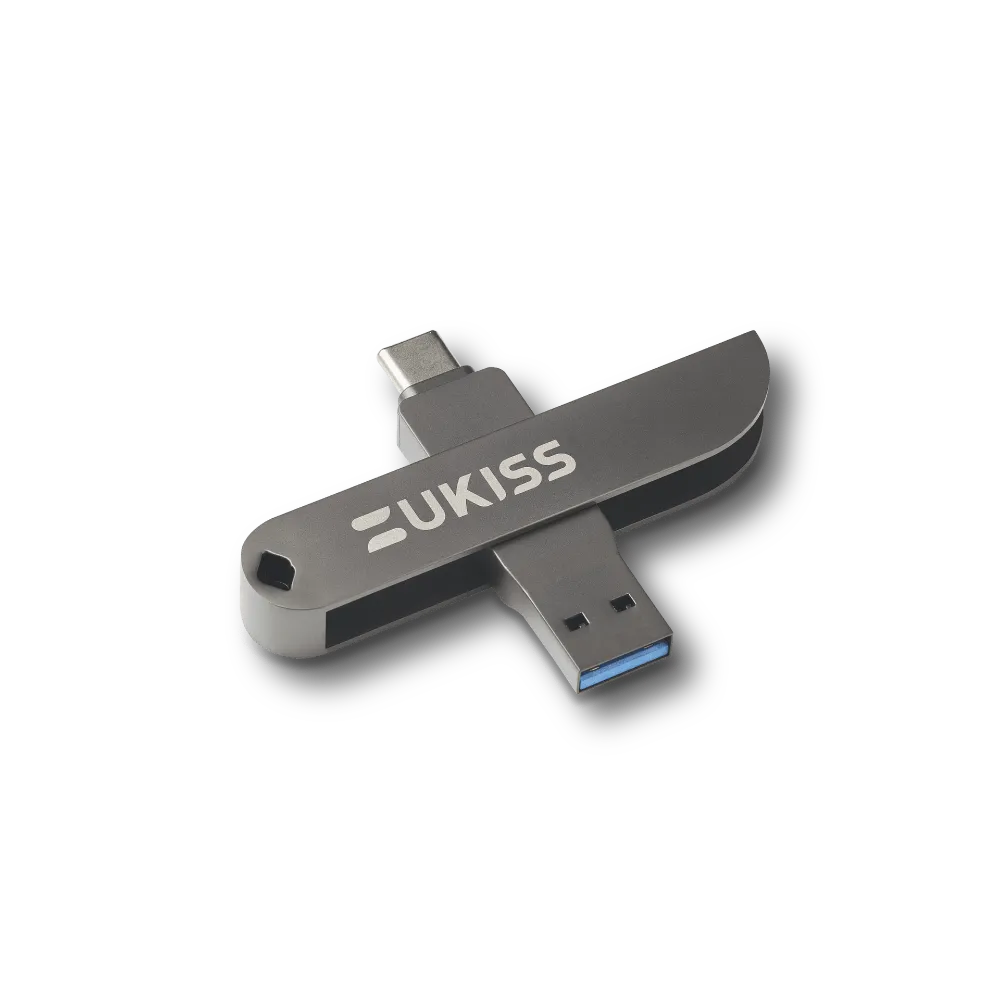
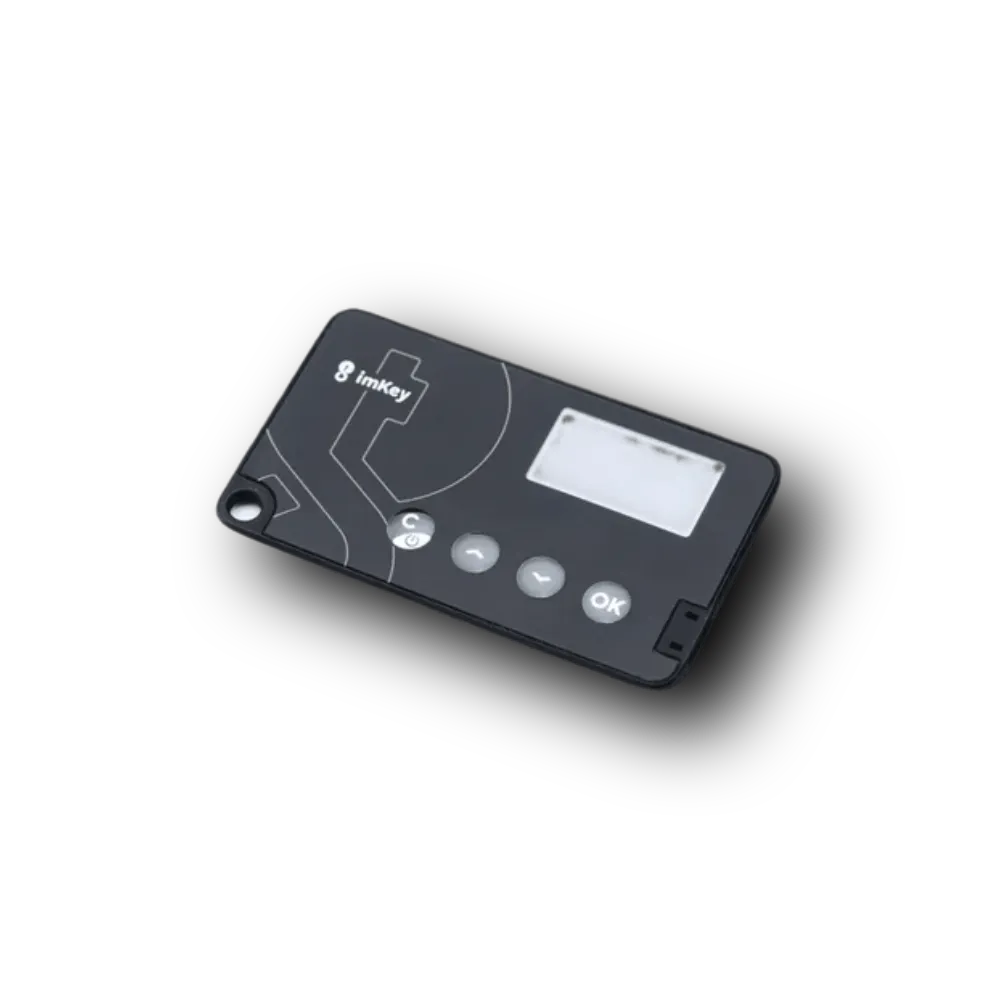
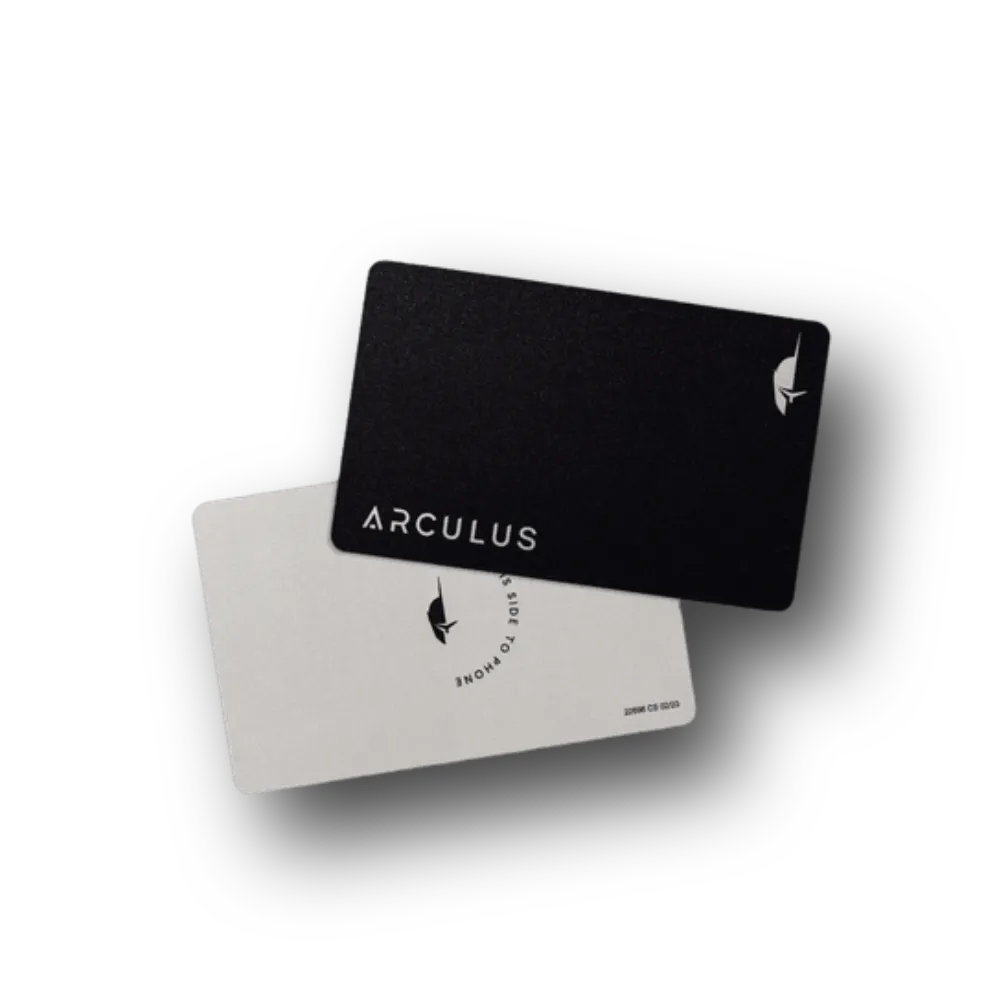
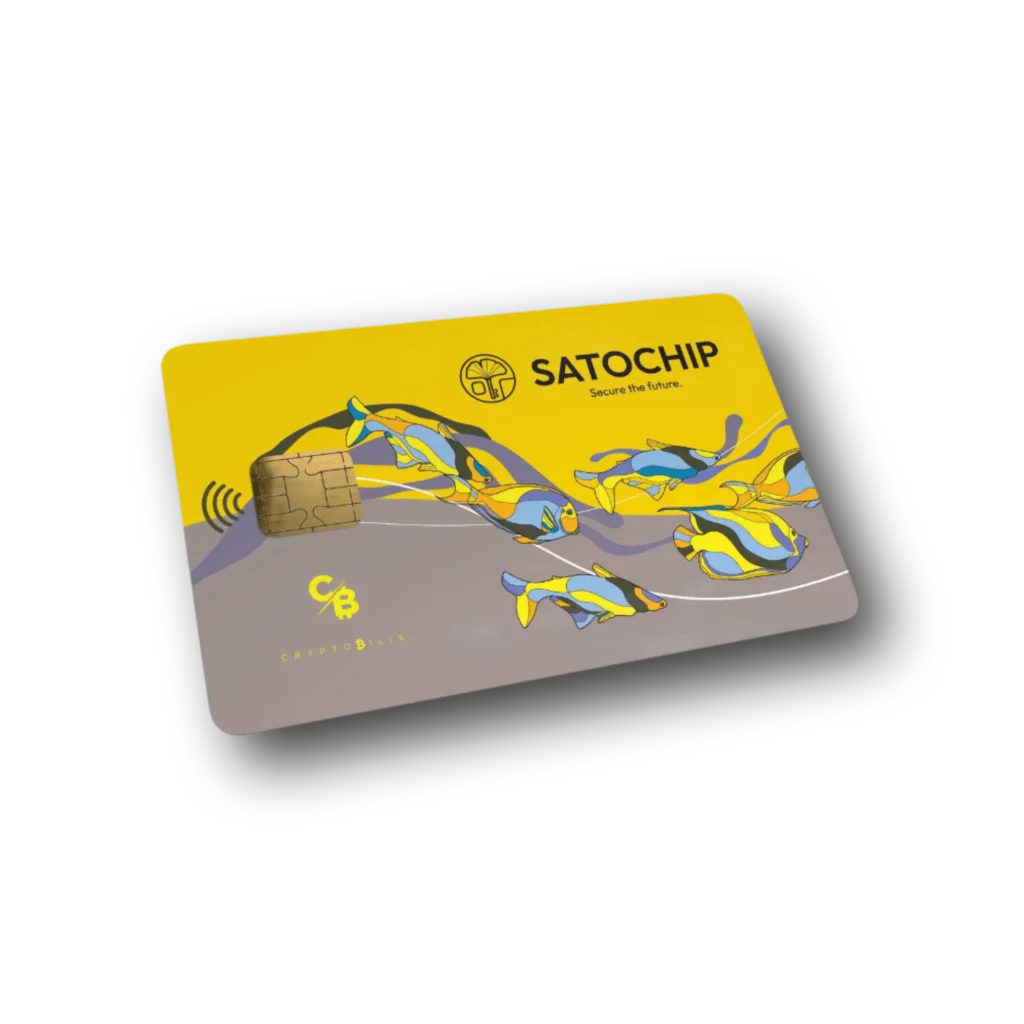
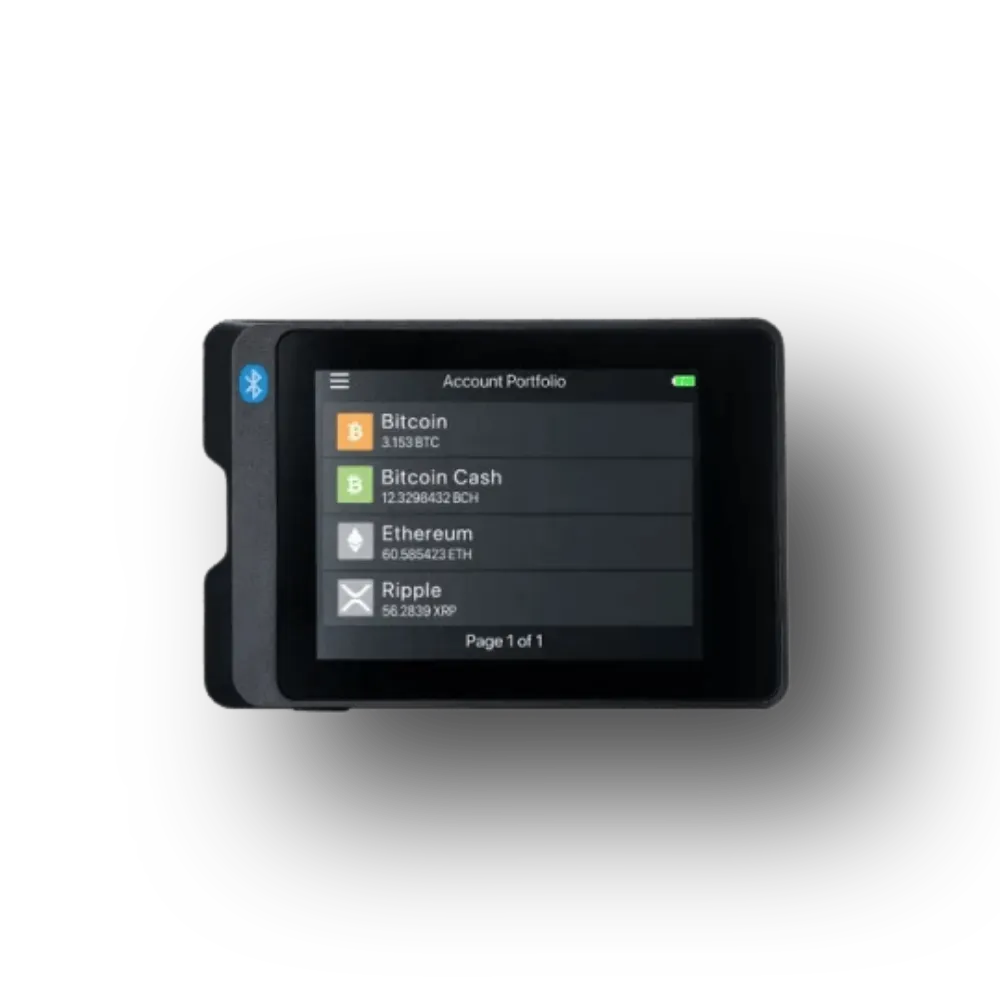
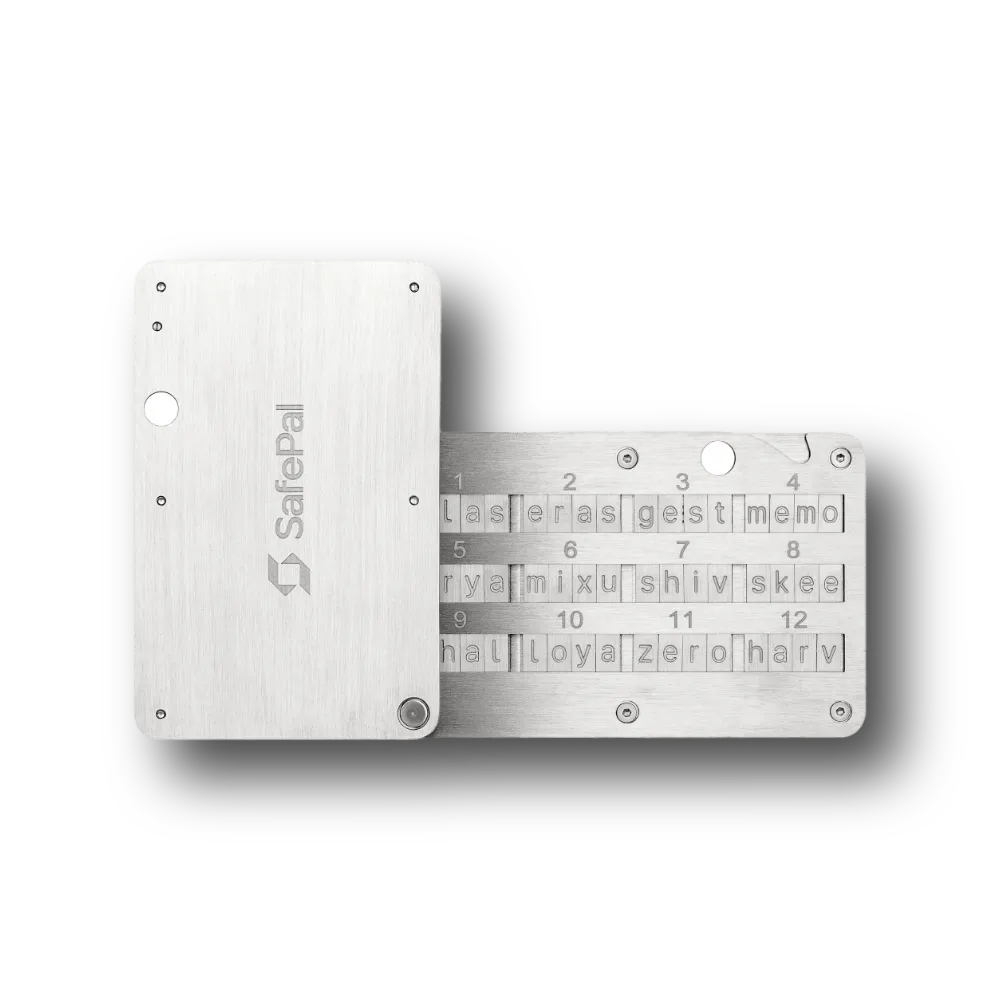
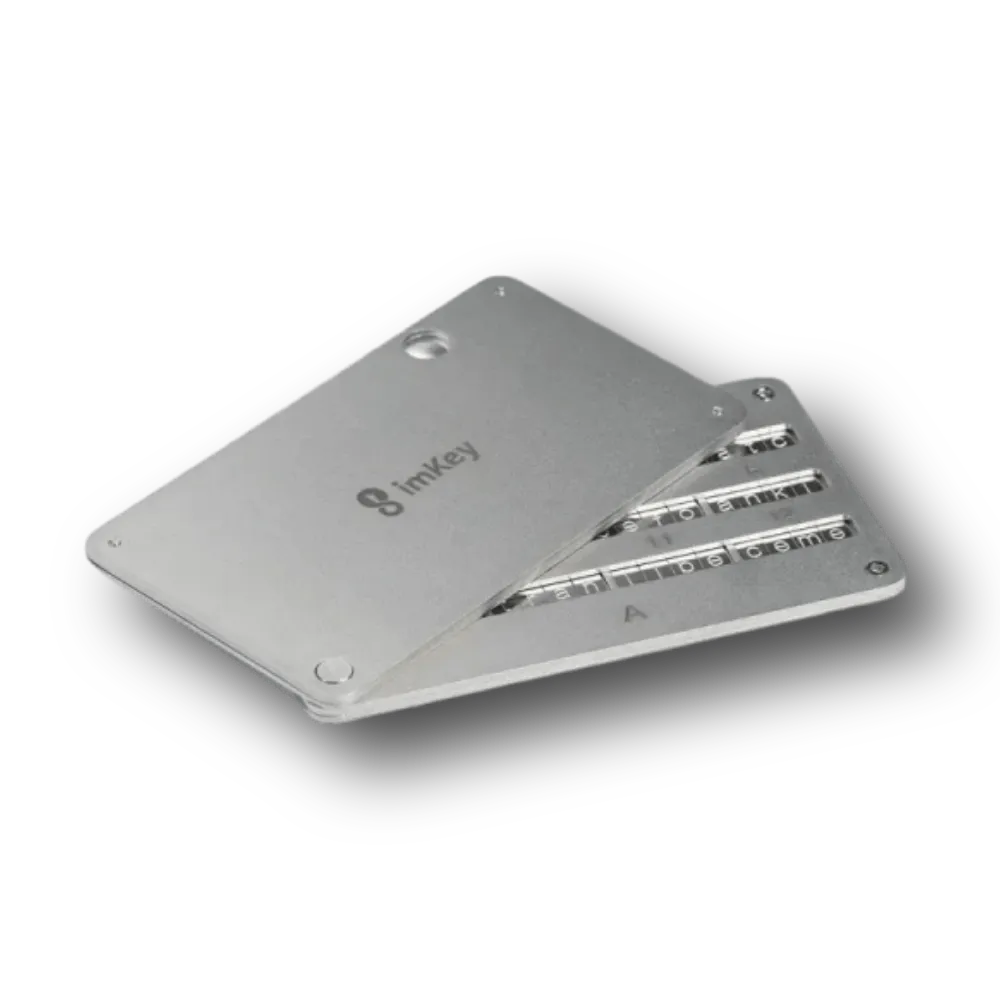
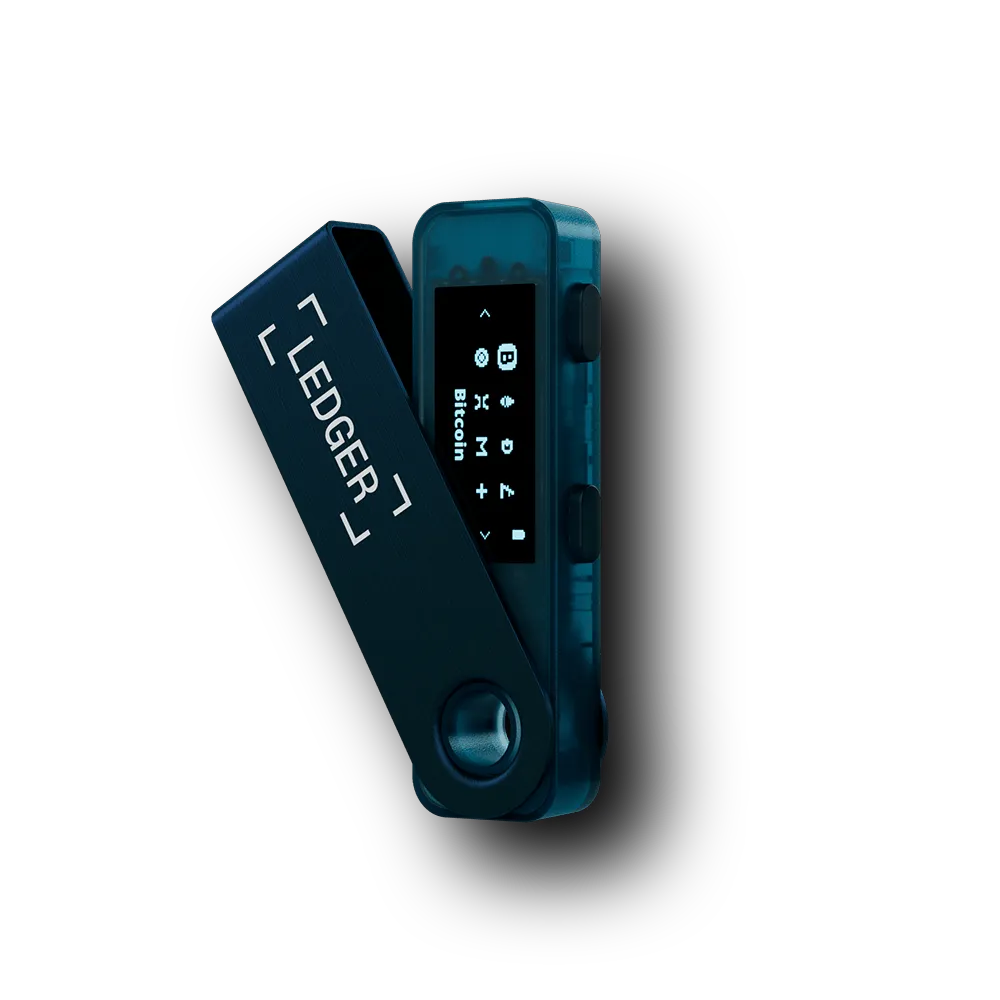
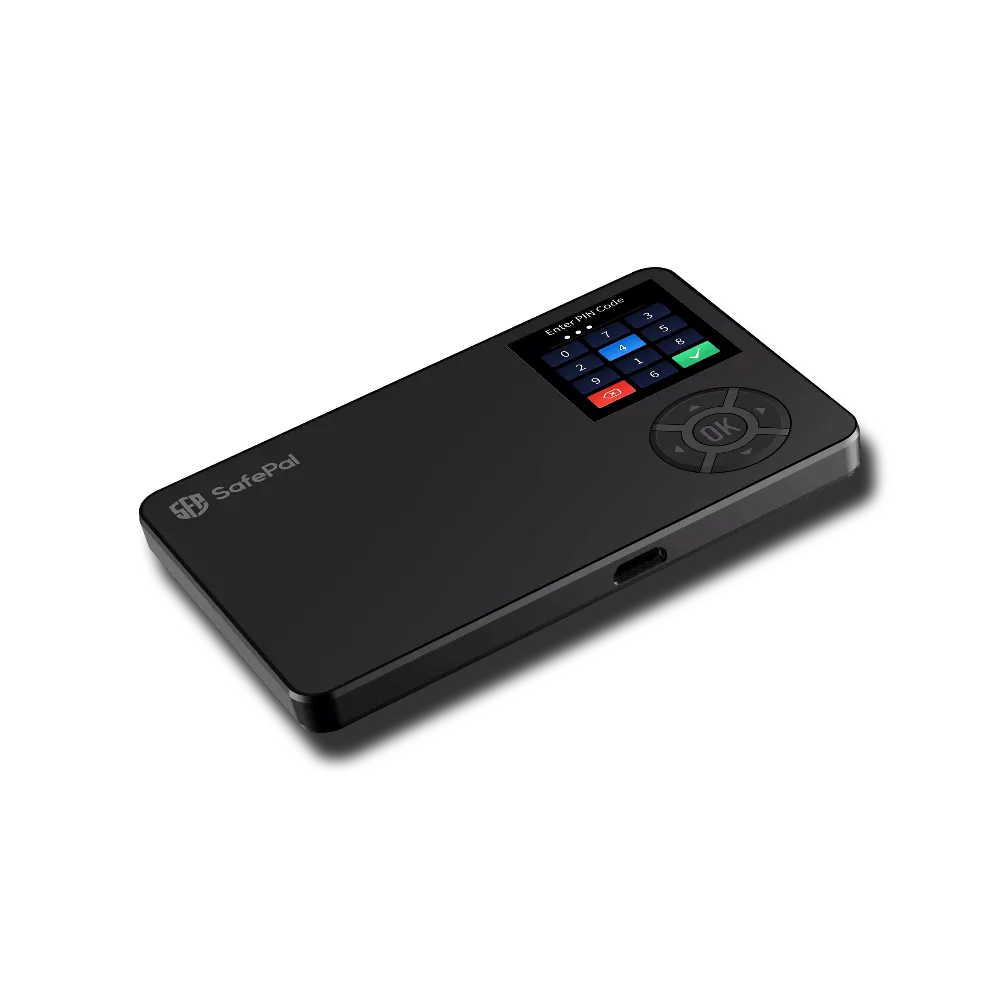
A hardware wallet does not make that arrangement safer. It removes the arrangement. The private key is generated on the device and never leaves it, so there is no company between you and your holdings, and therefore no company whose collapse can separate you from them. Nobody can freeze it, lend against it, or pause your withdrawals, because there are no withdrawals to pause.
The trade is real, though. Self-custody means no support desk and no password reset. Lose the recovery phrase and nobody on earth can restore it. You are swapping counterparty risk for personal responsibility, which is only an improvement if you actually accept it.
Accepting it properly
If the series pushes you to move funds off an exchange, do it in the right order:
- Buy the device from the manufacturer or an authorized reseller. Never second-hand, and never from a marketplace listing no matter how good the price is.
- Generate a fresh recovery phrase on the device itself. A wallet that arrives with the phrase already filled in is a trap, and a common one.
- Write the phrase by hand, reading it off the device screen. Never photograph it, and never type it into a phone, a password manager, or a chat.
- Store it away from the device and above likely flood level. Typhoon season is not a hypothetical here, and paper does not survive it.
- Test the restore with a small amount before moving anything significant. A backup you have never tested is a guess.
- Check the destination address on the device screen every single time you send.
None of it is hard. It is just a different set of habits from opening an app and tapping through.
What this means for Filipino holders
Expect a surge of interest when the series drops, and expect scammers to surf it. Every big crypto news cycle is followed by fake “fund recovery” services promising to retrieve money lost in 2022, and by cloned support accounts on Messenger, Viber and Telegram. All of them eventually ask for your recovery phrase. Nobody legitimate ever needs it — not a manufacturer, not an exchange, not the Bangko Sentral ng Pilipinas, not the SEC Philippines.
It is also worth being honest about what regulators can do. The BSP can act against a company operating here. It cannot reverse a confirmed blockchain transaction, and it could not have refunded FTX depositors. This matters especially for OFW families, where crypto is sometimes used to move money home: a remittance that vanishes with an exchange is not recoverable through a complaint form. Self-custody is not a way around the rules. It is a way of not needing anyone’s permission to reach what is already yours.
Watch it, then check where your coins sleep
The Altruists will probably be a compelling drama about two people who reasoned their way into something indefensible. Enjoy it on those terms. But when it finishes, the useful question is not what you think of Bankman-Fried. It is far duller: where is your crypto actually sitting tonight, and who has to stay solvent and honest for you to keep it?
If the answer is a company, you have just watched eight episodes about how that can go.
Does this series mean crypto is unsafe?
No. Nothing in the FTX collapse involved broken cryptography or a failing blockchain. It was an ordinary fraud by a company holding other people’s assets. The lesson is about who holds your keys, not about whether the technology works.
Is a hardware wallet really safer than a regulated exchange?
They guard against different risks. An exchange can be licensed, audited and still freeze withdrawals or fail, and you stay dependent on it remaining solvent and honest. A hardware wallet removes that dependency completely but hands you full responsibility for the recovery phrase. For holdings you do not trade often, self-custody eliminates the exact risk FTX demonstrated.
Should I pull everything off exchanges after watching?
Act deliberately, not urgently. Set the wallet up properly, confirm the recovery phrase actually restores, then send a small test amount and verify it arrives before moving more. Rushing a large transfer because a series unsettled you introduces a fresh risk of its own.
Will scams increase when this airs?
Very likely. Expect cloned support accounts, bogus recovery services aimed at people who lost money in 2022, and phishing pages imitating wallet makers. The tell is always the same: a request for your recovery phrase, or a link asking you to verify or sync your wallet. Both are theft, no exceptions.
Could the BSP recover crypto lost in an exchange collapse?
It can pursue a company operating in the Philippines, but it cannot reverse a settled blockchain transaction or restore deposits an exchange no longer has. FTX customers went through years of bankruptcy proceedings for partial recovery. Holding your own keys avoids the situation instead of seeking a remedy afterwards.










I AM BACK AGAIN
Such an exciting atmosphere! The games are high quality and the rewards are actually achievable. If you like gaming, pkk999casino is a must-visit.
Really impressed with the interface here. Everything is smooth and the payouts are surprisingly fast. Highly recommend bdkhelaghar for anyone looking for a reliable spot.
WOW,Very wonderful