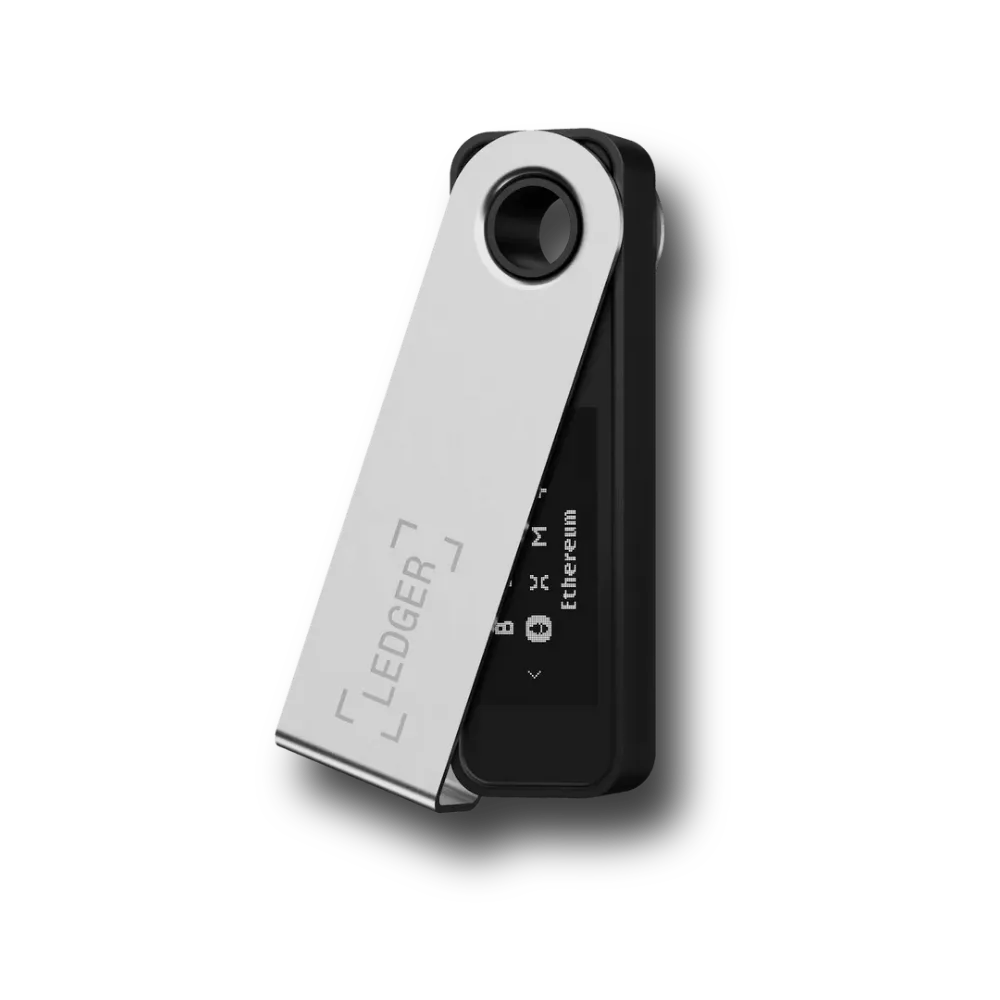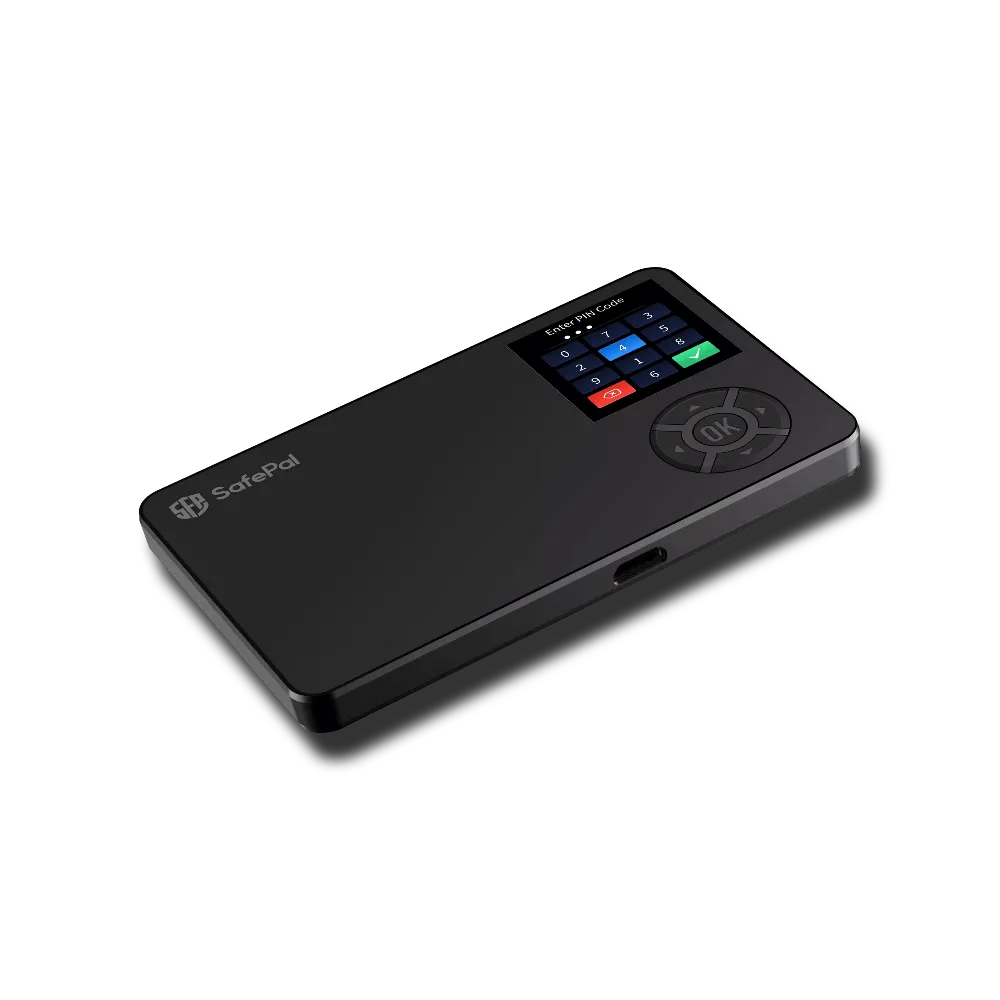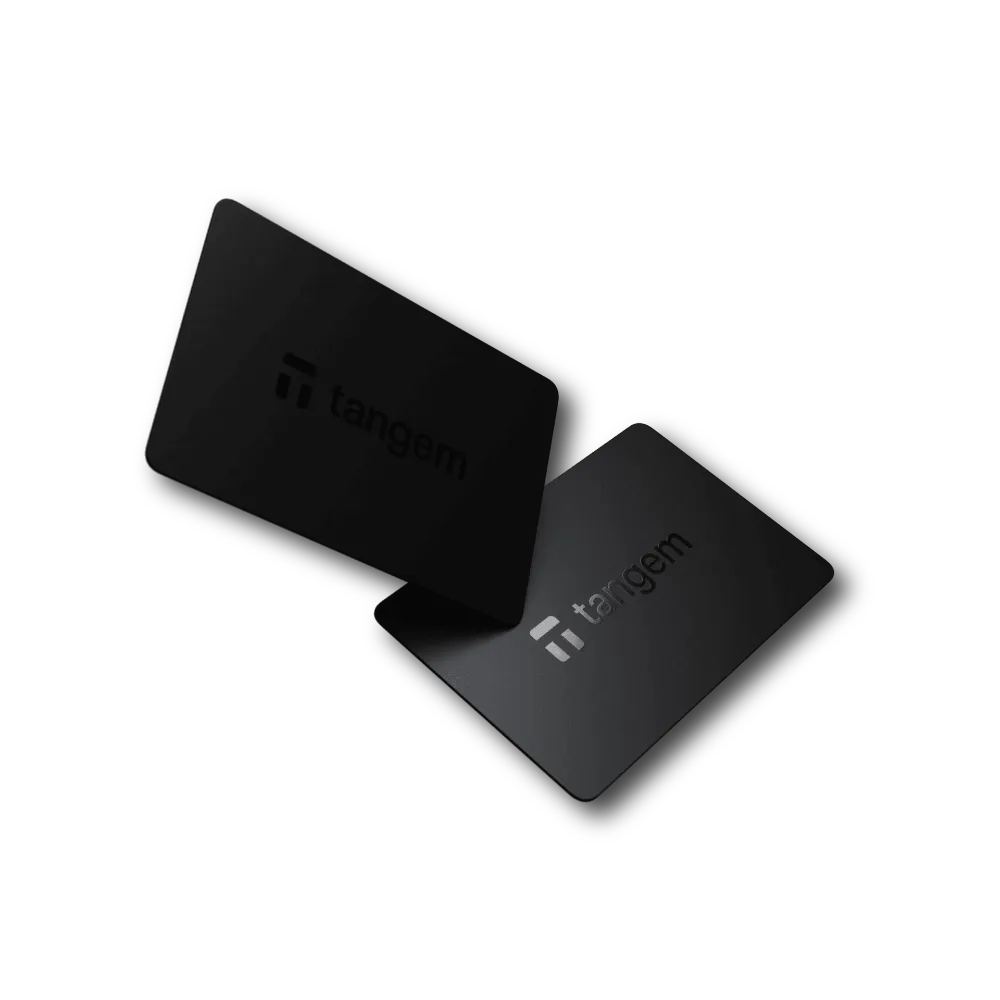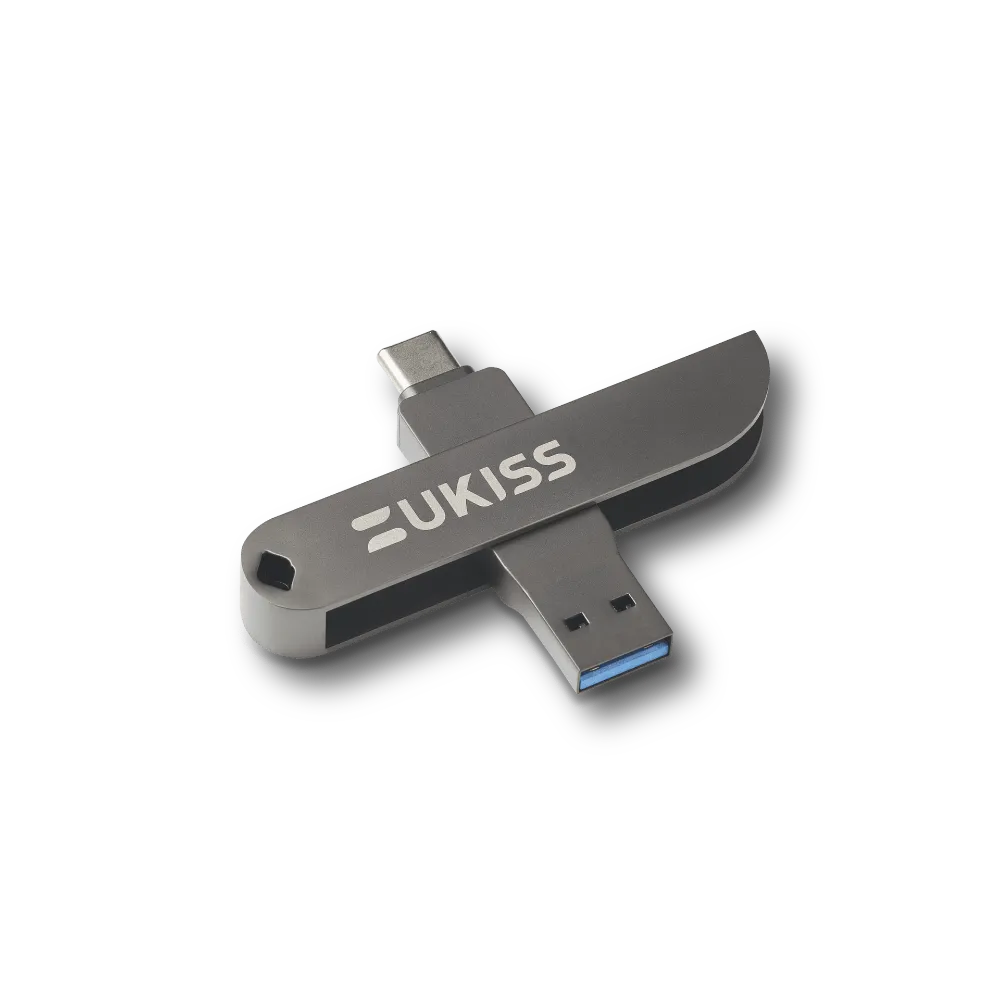
You bought a hardware wallet to keep your crypto out of reach of hackers. That logic only holds if the device in your hand is genuine — and that is not something you can take for granted.
Fake and tampered hardware wallets show up regularly in online marketplaces, often at a few thousand pesos below the real price. That discount is the whole scam. Here is how to check what you are actually buying.
Only buy from official channels
Every legitimate hardware wallet manufacturer sells directly through their own website and publishes a list of authorised resellers. If your seller is not on that list, do not trust the device — regardless of how good the reviews look.
Filipino buyers are used to shopping through marketplaces and social sellers for almost everything, and for most products that is fine. A hardware wallet is the exception. Never buy one second-hand, and never from a seller you cannot verify against the manufacturer’s own list.
Check the box before you open it
Manufacturers ship with tamper-evident packaging because they know the supply chain is targeted. Before opening, check for:
- Intact holographic or tamper-evident seals, with no sign of peeling or re-sticking
- Factory-tight shrink wrap without re-sealed seams
- Sharp, correctly spelled printing — typos and fuzzy logos mean counterfeit
- A device with no scratches, fingerprints, or wear
If anything looks resealed, stop there. Do not power it on.
The one red flag that settles it
A real hardware wallet never ships with a recovery phrase already written down.
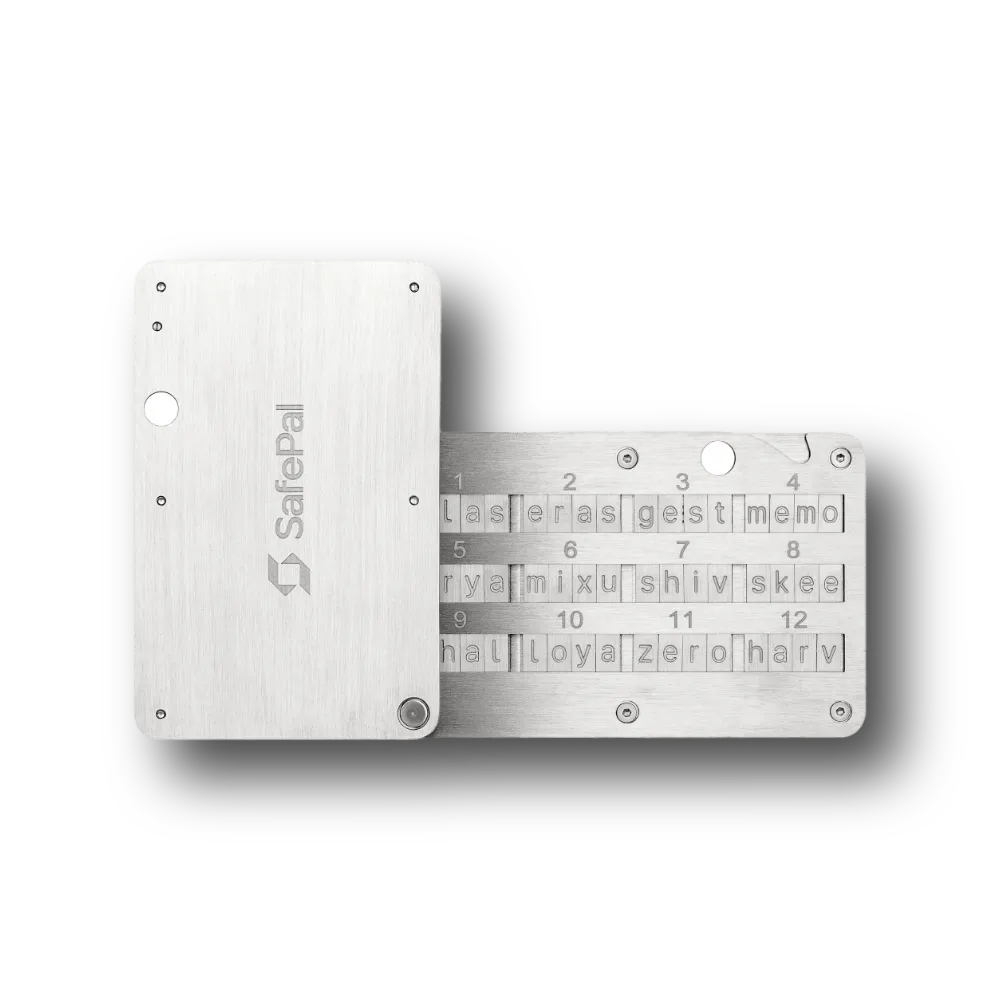
If there is a card in the box with 12 or 24 words pre-printed or handwritten, the device is a trap. Genuine wallets generate your seed phrase privately, on the device, during setup — nobody else ever sees it. A pre-supplied phrase means the scammer already has it, and every peso you send is theirs to take at a time of their choosing.
Treat any instruction to “restore” using a phrase the seller gave you exactly the same way. There is no honest version of that request.
Let the official app verify the device
Genuine devices prove themselves. Connect a new wallet to its official app and the app runs an authenticity check with the manufacturer and confirms the firmware is properly signed.
Download that app only from the manufacturer’s official website. Fake wallet apps and malicious browser extensions are common, and a fake app will happily tell you a fake device is genuine. If the check fails, stop and contact the manufacturer directly.
Buying safely from the Philippines
Crypto adoption here is high, and so is scam activity — the Bangko Sentral ng Pilipinas and the SEC Philippines have both issued repeated warnings about fraudulent crypto operations targeting Filipinos. Hardware is part of that picture, not separate from it.
Order direct, pay full price, and ship to an address you control. The few thousand pesos you save on a shady listing is a poor trade against your entire balance. At CryptoBilis, we would rather you paid retail and stayed safe.
Frequently Asked Questions
Is a second-hand hardware wallet ever okay?
No. You cannot verify what a previous owner did to the device or its firmware. Always buy new from the manufacturer or an authorised reseller — the device costs far less than what it protects.
The wallet came with a seed phrase card. Is that normal?
Never. That is the clearest sign of a scam device. Do not deposit anything to it. Report it and replace it through an official channel.
Can I tell a fake just by looking at it?
Often not — counterfeits can be visually convincing. Rely on the software checks: the authenticity verification and firmware signature check in the official app.
I already funded a wallet I now think is fake. What now?
Move the funds immediately to a wallet set up with a fresh recovery phrase generated on a device you bought officially. Consider the old phrase permanently burned and never reuse it.